Medals and medallions look similar at first glance, but they serve different purposes, carry different histories, and are designed with different intentions. Understanding the distinction matters whether you are ordering recognition pieces for a corporate event, sports awards for a tournament, or commemorative items for a milestone celebration. This guide clarifies every difference that matters.
Medals vs Medallions: The Short Answer
Is medal short for medallion? No, it is the other way around. “Medallion” comes from the Italian medaglione, meaning a large medal, according to Merriam-Webster. A medallion is essentially a larger medal. If you are ordering either one, our custom medals page shows sizes and prices, from $21.10 each with a minimum order of 1.
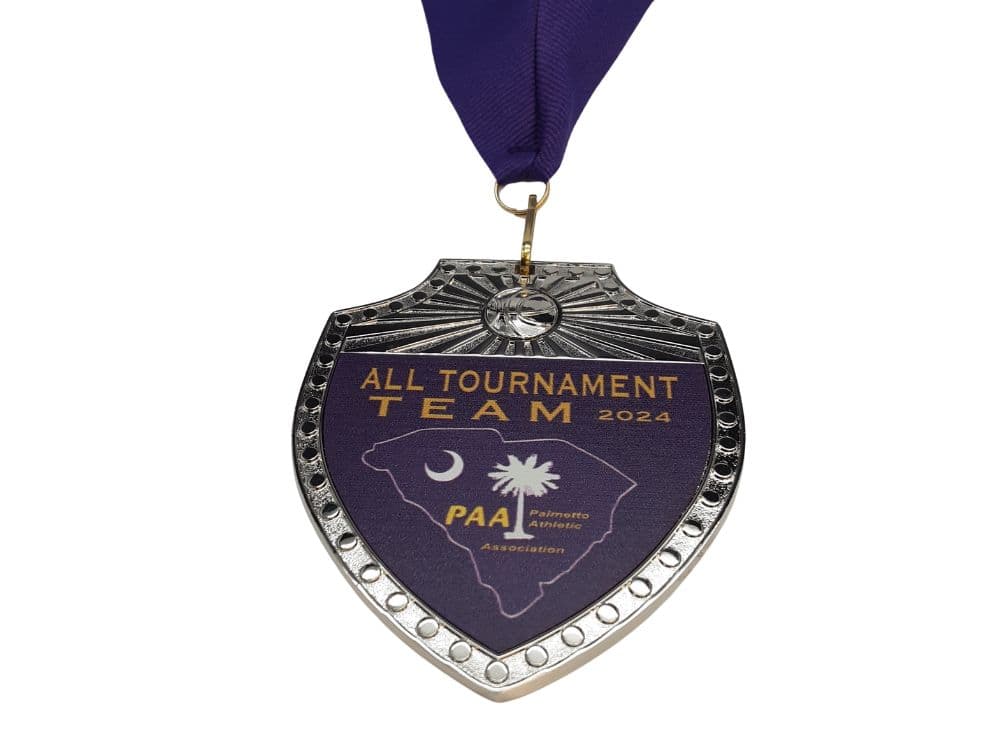
A medal is worn; a medallion is kept. Medals are struck to be hung from a ribbon or lanyard and worn on the body, usually 1¼" to 3" across, and they mark an achievement or placement. Medallions are larger free-standing discs, typically 3" and up, made to be displayed, presented in a case, or carried, commemorative rather than competitive.
| Medal | Medallion | |
|---|---|---|
| Worn on the body | Yes, ribbon or lanyard | No, displayed or presented |
| Typical size | 1¼" to 3" | 3" to 5"+ |
| Marks | Placement, finishing, service | Commemoration, membership, milestone |
| Usual quantity | Whole team or field | Small, often single presentation |
| Presentation | Ribbon, sometimes a pouch | Case, box or stand |
| Cost driver | Diameter, then finish | Diameter and thickness |
If athletes will wear it on a podium, order medals. If one person receives it and puts it on a shelf, order a medallion. Sizes and quantities both move the price more than finish does, the medal cost estimator shows the effect of each.
What Is a Medal?
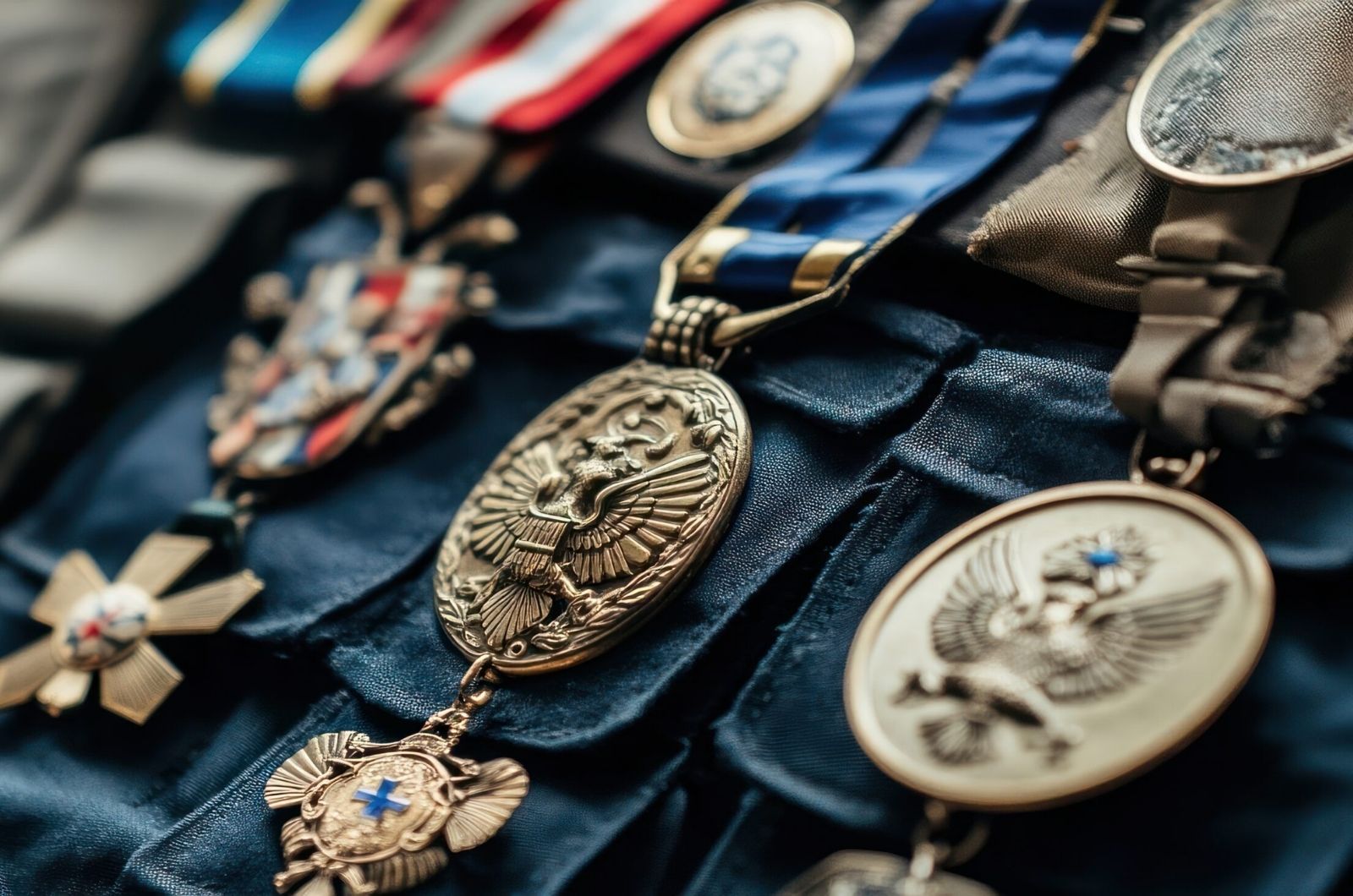
A medal is a flat or slightly raised piece of metal, typically round, awarded for achievement, service, or competition. Medals are most commonly associated with sports (Olympic medals, marathon finisher medals) and military service (Purple Heart, Medal of Honor). They are almost always worn on a ribbon or lanyard, designed to be displayed on the chest or around the neck. Medals carry institutional authority: they are given by organizations, governments, and sanctioning bodies to recognize specific accomplishments.
What Is a Medallion?
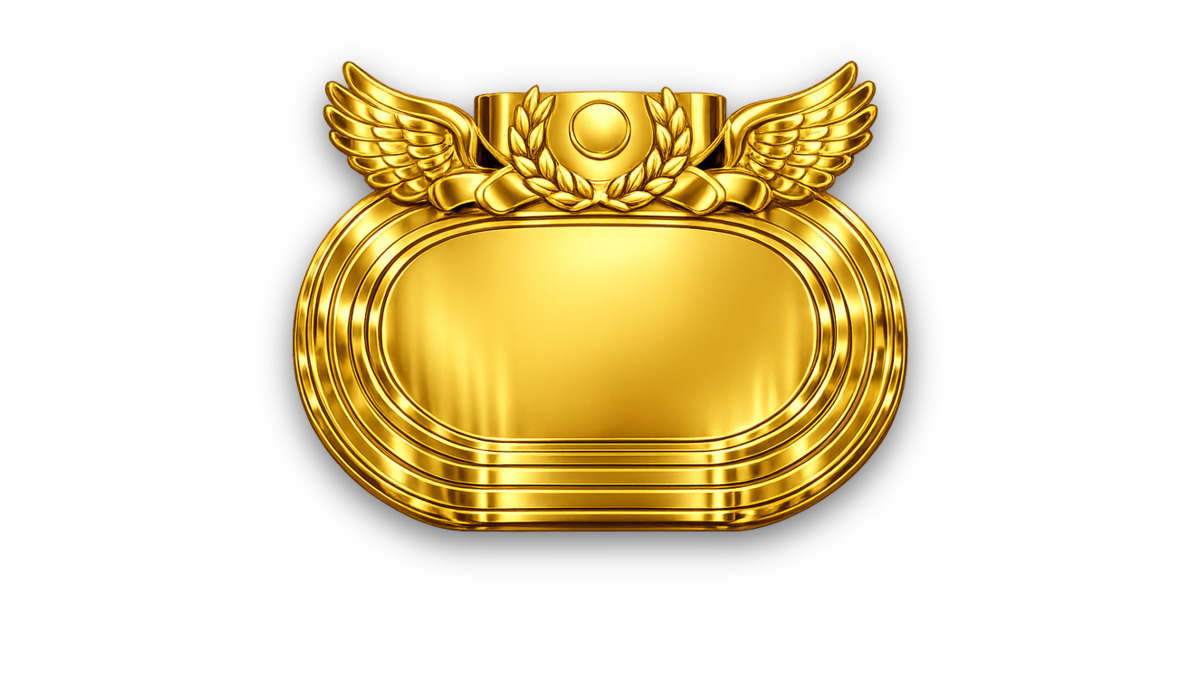
A medallion is a larger, heavier disc, often decorative, that serves a commemorative or ornamental purpose. Medallions are not always tied to a specific achievement. They may celebrate a historical event, honor a public figure, or serve as a collector's item. Medallions are often displayed in cases rather than worn, though oversized neck medallions exist in certain cultural and ceremonial contexts. Think of a medallion as a small monument in metal form.
4 Key Differences Between Medals and Medallions
1. Size and Weight
Medals typically range from 50mm to 70mm in diameter and are designed to be worn comfortably. Medallions are larger, often 80mm to 120mm or more, and significantly heavier. The size difference reflects their different purposes: medals need to be portable, medallions need to be impressive.
2. Function
Medals are earned. They recognize a specific achievement, completion, or act of service. Medallions are commemorative. They mark an occasion, honor a legacy, or serve as a collectible. The distinction is functional: a medal answers "what did you accomplish?" while a medallion answers "what are we remembering?"
3. Shape
Medals are almost universally round, following centuries of tradition. Medallions offer more shape variety, oval, rectangular, shield-shaped, or irregularly contoured designs are common, especially in commemorative and corporate applications.
4. Accessories
Medals come with ribbons, lanyards, or pin attachments for wearing. Medallions typically come with display stands, velvet cases, or mounting hardware for presentation. The accessories reinforce the intended use: medals are worn, medallions are displayed.
A Brief History
The medal tradition dates to ancient Rome, where military commanders awarded phalerae, decorative metal discs, to soldiers who distinguished themselves in battle. The modern medal evolved through the Renaissance as European monarchs formalized military decorations. Medallions trace a parallel path as commemorative art objects, Renaissance artists like Pisanello created portrait medallions that served as both artistic statements and political instruments. The two forms have shared metalworking techniques for centuries while diverging in purpose and scale.
Die Struck vs Die Cast
Both medals and medallions are manufactured using one of two primary methods. Die striking presses a flat metal blank between hardened steel dies under extreme pressure, creating crisp detail and a dense, high-quality finish. Die casting pours molten metal into a mold, allowing for more complex three-dimensional shapes but with slightly less surface detail. Die-struck pieces are preferred for premium awards; die-cast pieces offer more design flexibility at lower cost.
Comparison at a Glance
| Feature | Medal | Medallion |
|---|---|---|
| Typical Size | 50-70mm | 80-120mm+ |
| Weight | Light to moderate | Heavy |
| Purpose | Achievement recognition | Commemoration / display |
| Shape | Round | Varied |
| Worn? | Yes (ribbon/lanyard) | Rarely (displayed) |
| Common Uses | Sports, military, academic | Corporate, historical, collector |
When to Choose Which
Choose a medal when recognizing individual achievement in a competitive or service context, races, tournaments, academic honors, or military service. Choose a medallion when commemorating an event, celebrating an anniversary, or creating a high-impact display piece for a corporate milestone. When in doubt, consider how the recipient will use the piece: if they will wear it proudly, it is a medal; if they will display it prominently, it is a medallion.
Frequently Asked Questions
Is medal short for medallion?
No. Medallion comes from the Italian medaglione, a large medal, so the longer word grew out of the shorter one.
Is a medallion always bigger than a medal?
Almost always, yes. Medallions are designed for visual impact and display, so they are typically 80mm or larger. Medals are designed for wearing, keeping them in the 50-70mm range for comfort.
Can you wear a heavy medallion?
Technically yes, but medallions over 100mm become uncomfortable for extended wear. If you need a wearable piece with medallion-level impact, consider a large-format medal (70mm) on a premium ribbon.
Are medals and medallions made from real gold?
Most are made from base metals (zinc, brass, copper) with gold plating. Solid gold medals and medallions exist but are rare and expensive. Even Olympic "gold" medals are primarily silver with gold plating.
What is the best material for corporate medals and medallions?
Brass with gold or silver plating offers the best balance of weight, appearance, and cost for corporate applications. For premium corporate gifts, consider bronze or sterling silver.
Which is better for a corporate anniversary, a medal or a medallion?
A medallion is typically the better choice for a corporate anniversary because it is designed for display and commemoration. Recipients can showcase it on a desk or in a case. A medal works better if the anniversary celebration includes a ceremony where pieces will be worn.