A medal is more than a piece of metal — it is a physical declaration that someone did something worth remembering. From ancient battlefields to modern podiums, medals have served as humanity's most enduring form of personal recognition. This guide explores what medals are, where they came from, why they carry such psychological weight, and how to choose the right one for any occasion.
What Is a Medal?
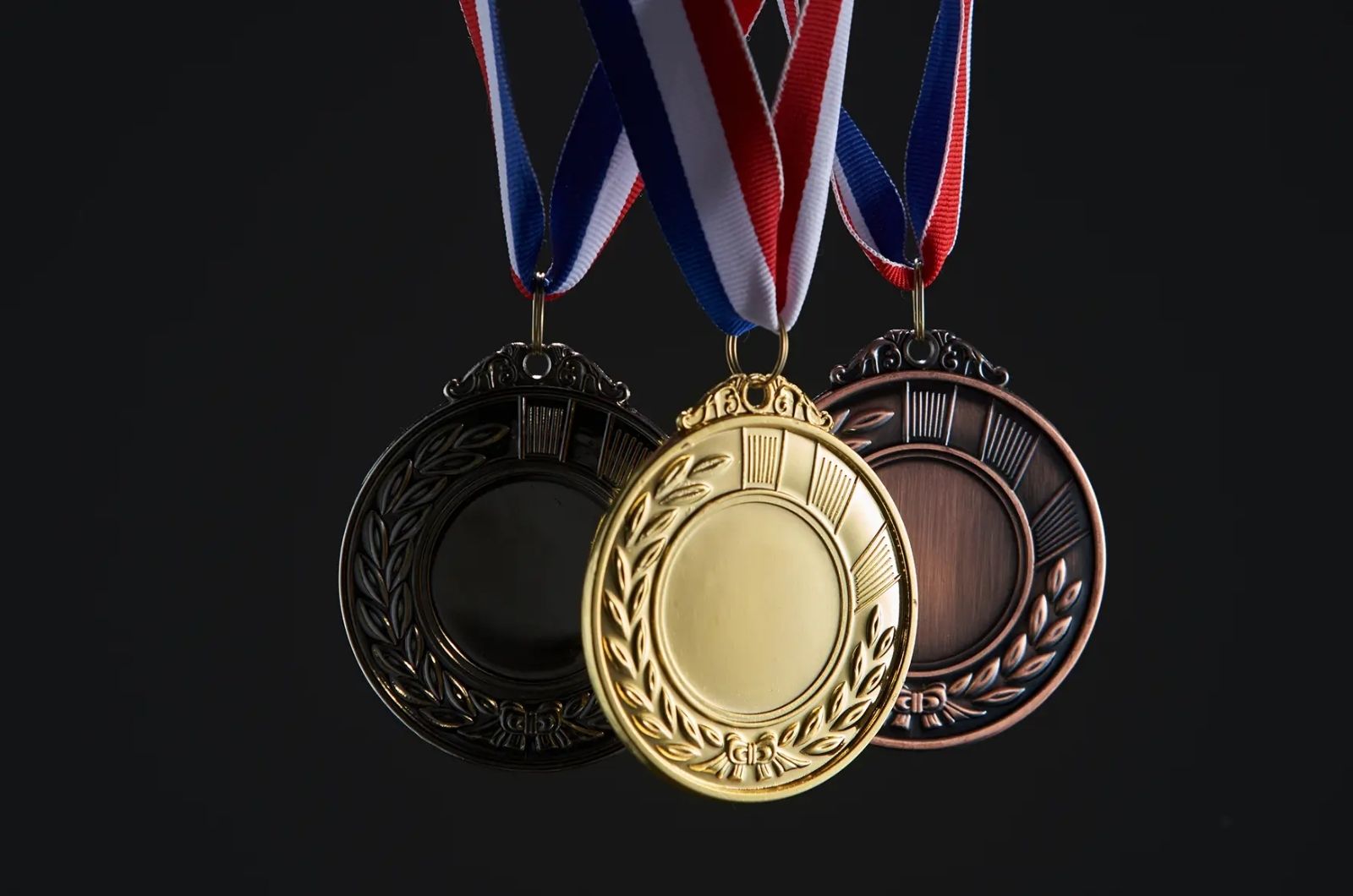
A medal is a flat or slightly raised piece of metal, typically round, created to recognize achievement, commemorate an event, or honor service. Medals are designed to be worn — on a ribbon around the neck, pinned to a chest, or displayed on a lanyard. They carry the authority of the institution that awards them: a government, a sports federation, a school, or an organization. Unlike trophies or plaques, medals are personal and portable. They go where the recipient goes, serving as a constant reminder of the moment they were earned.
History of the Medal
Roman Empire
The medal tradition begins with Rome. Roman generals awarded phalerae — decorative metal discs — to soldiers who distinguished themselves in combat. These were worn on chest harnesses during military parades, publicly displaying a soldier's valor for all to see. The practice established the foundational principle that endures today: a medal is proof of performance, validated by authority and displayed with pride.
Renaissance and Beyond
During the Renaissance, Italian artists elevated the medal to an art form. Pisanello created the first modern portrait medal in 1438, depicting Byzantine Emperor John VIII Palaeologus. These were not awards — they were commemorative objects, combining portraiture with allegorical imagery. By the 17th and 18th centuries, European monarchs had formalized military medals into hierarchical systems of honor. The modern era brought sports medals, academic medals, and civilian awards into the tradition, expanding the medal's reach far beyond the military.
Why a Medal Hits Different
Medals carry psychological weight that other recognition formats struggle to match. Three factors explain why:
- Physical permanence: A medal does not expire, get spent, or depreciate. It sits in a drawer or hangs on a wall for a lifetime, always ready to remind the recipient of their achievement.
- Public symbolism: Medals are designed to be seen. Wearing a medal signals accomplishment to everyone in the room without a word being spoken. This social dimension amplifies the recognition.
- Institutional authority: A medal is given by someone — an organization, a commander, a school. That authority adds legitimacy to the recognition that a self-purchased reward cannot replicate.
Every Type of Medal
Military Medals
Military medals are awarded for valor, service, campaigns, and specific achievements in military operations. Examples include the Medal of Honor, Purple Heart, Bronze Star, and campaign medals. Military medals follow strict protocols for display, wearing order, and precedence. They are among the most regulated and revered forms of medal recognition.
Sports Medals
Sports medals recognize competitive achievement — first, second, and third place finishes, as well as participation and sportsmanship. Olympic medals are the most iconic, but sports medals span every level from youth leagues to professional championships. Finisher medals for marathons and endurance events have become a massive category, with custom designs for each race becoming collector's items.
Faith and Religious Medals
Religious medals — saints' medals, devotional medallions, and faith-based commemoratives — represent one of the oldest medal traditions. They serve as personal expressions of faith, protective talismans, and commemorations of religious milestones like baptisms, confirmations, and pilgrimages.
Academic Medals
Academic medals honor scholastic achievement, from elementary school excellence awards to university-level honors like the Presidential Scholars Medal. They reinforce the value of intellectual pursuit and provide students with tangible recognition that complements diplomas and transcripts.
How Medals Are Made
The two primary manufacturing methods are die striking and die casting. Die striking presses a metal blank between hardened steel dies under extreme pressure, producing a dense, detailed piece with a premium feel. Die casting pours molten metal into a mold, allowing for more complex shapes and three-dimensional elements. After forming, medals undergo finishing processes including plating (gold, silver, bronze, nickel), enamel fill, and antiquing. Quality control ensures each piece meets specification before packaging with ribbons or lanyards.
Choosing the Right Ribbon
The ribbon is not an afterthought — it is half the presentation. Ribbon width should match medal size: narrow ribbons for small medals, wider ribbons for large ones. Colors should align with the organization's branding or the event's identity. Common ribbon widths are 22mm for standard neck ribbons and 32mm for premium presentations. Sublimation printing allows for full-color, custom-designed ribbons that incorporate logos, text, and patterns.
Recognition Format Comparison
| Format | Portability | Display Impact | Cost | Personalization | Best For |
|---|---|---|---|---|---|
| Medal | High | Medium | $$ | Moderate | Competitions, service, events |
| Trophy | Low | High | $$-$$$ | Moderate | Top awards, team championships |
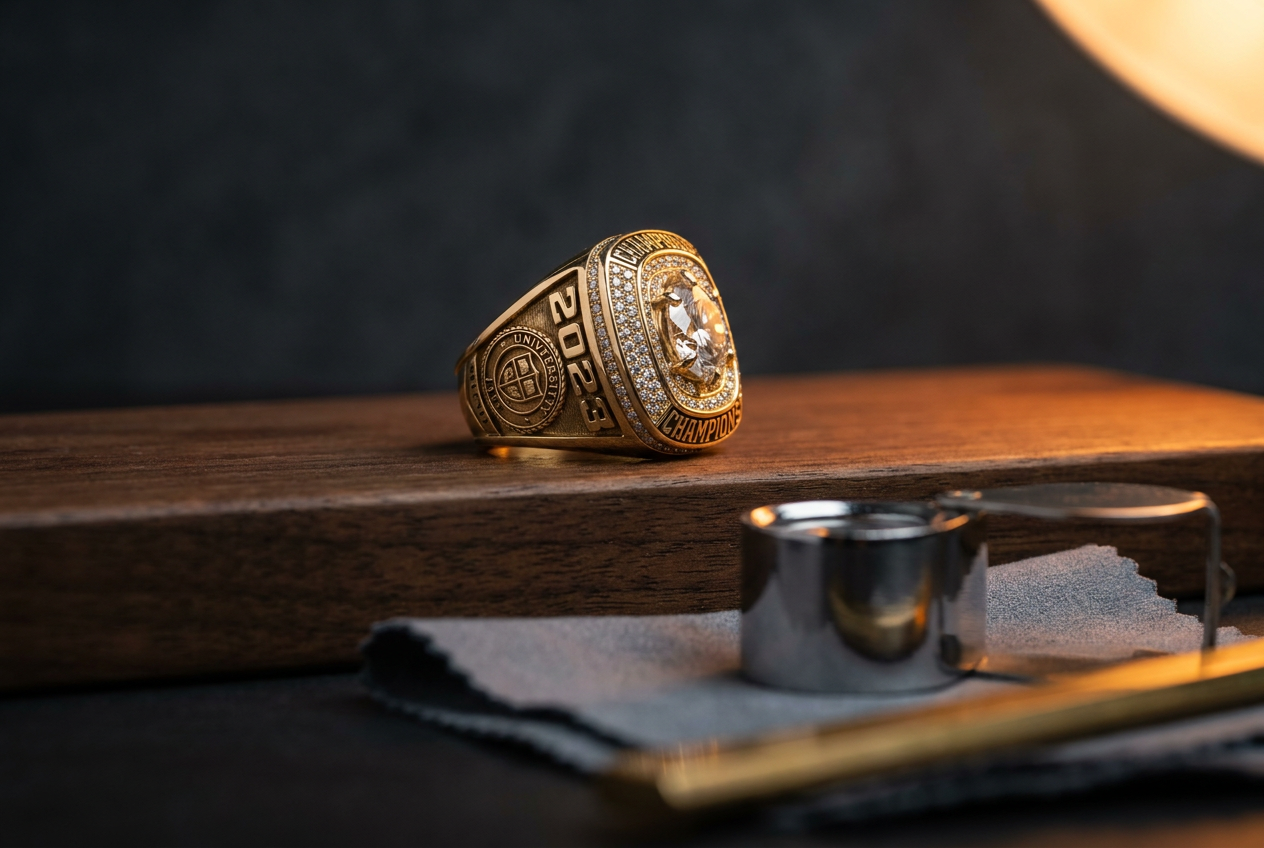
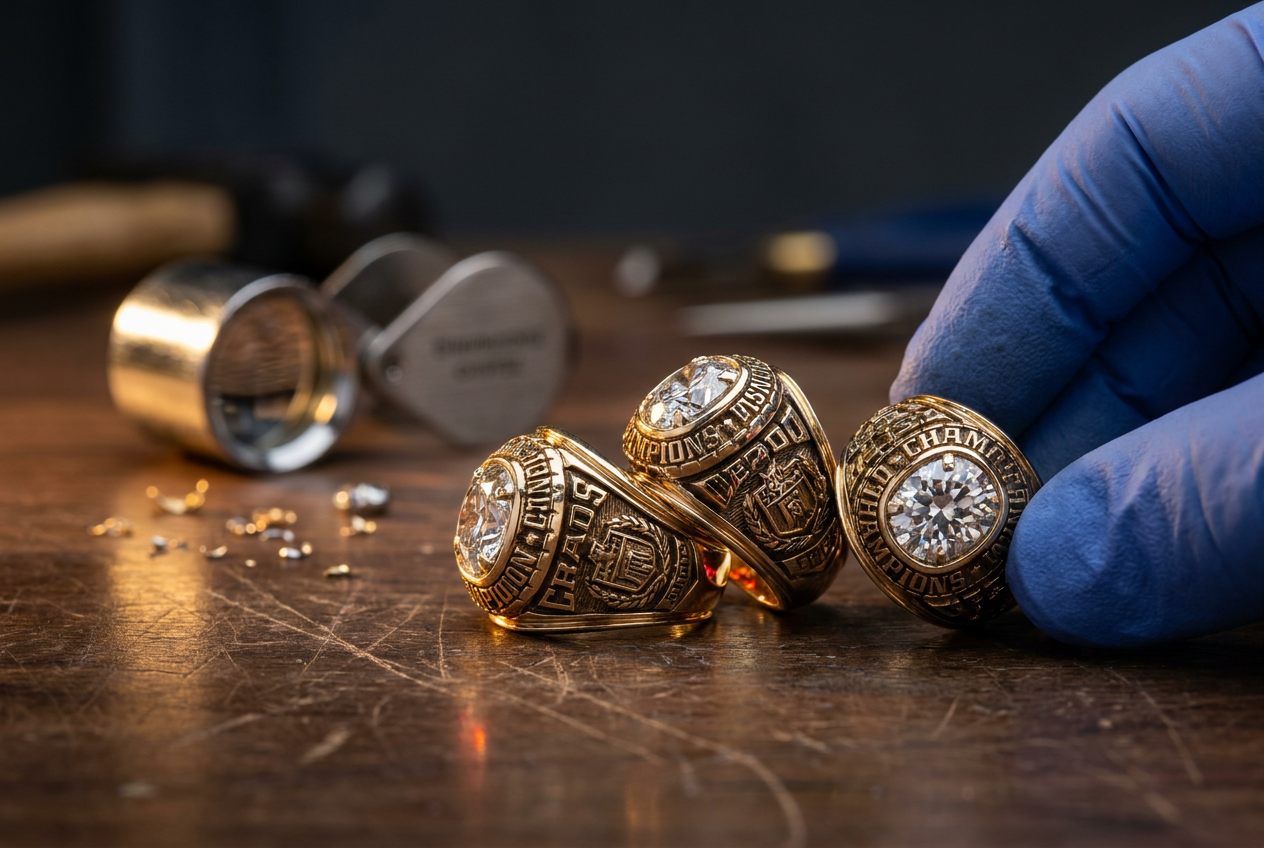
| Ring | Very High | Medium | $$-$$$$ | High | Championships, milestones |
| Plaque | Low | High | $$ | High | Wall display, corporate recognition |
| Certificate | Medium | Low | $ | High | Academic, participation |
Frequently Asked Questions
What is the difference between a medal and a medallion?
A medal is typically smaller (50-70mm), designed to be worn, and awarded for specific achievement. A medallion is larger (80mm+), designed for display, and serves a commemorative or decorative purpose. Medals are earned; medallions are commemorated.
How much do custom medals cost in bulk?
Custom medals in bulk typically cost $3-15 per piece depending on size, material, and complexity. Die-struck medals in zinc alloy or brass are the most cost-effective. Quantities over 500 drive the per-unit cost down significantly.
Are Olympic gold medals made of real gold?
No. Since 1912, Olympic "gold" medals have been primarily sterling silver with at least 6 grams of gold plating. The last solid gold Olympic medals were awarded at the 1912 Stockholm Games.
Can medals be made in custom shapes?
Yes. While round is traditional, custom medals can be manufactured in virtually any shape — stars, shields, state outlines, logos, or free-form designs. Custom shapes require dedicated tooling, which adds to the initial cost but creates a unique, memorable piece.