Custom belt buckles are hard to source. Most manufacturers push you into large bulk orders or hand you a generic stock buckle with a name laser-etched on the front. Neither option produces a real award. Meanwhile, demand for personalized recognition keeps climbing. Grand View Research values the global personalized gifts market in the tens of billions of dollars and rising.
A custom buckle that represents your brand, team, or event comes down to three decisions: material, design process, and manufacturing partner. This guide walks through each one so you can commission a buckle as prestigious as the accomplishment it marks.
What Makes a Belt Buckle Genuinely Custom (Not Just Engraved)?
A true custom belt buckle is more than an engraving on a pre-made shape. Personalized buckles with laser-etched names and dates serve a purpose, but a fully custom piece starts from scratch and reflects your exact vision. It uses a mold built only for your design, which opens up distinct shapes, sizes, and three-dimensional detail that stock items cannot match.
The work starts with your concept: a logo, a mascot, an event theme, or a mix of all three. From there it becomes a die-cast or die-struck piece of metal. A genuinely custom buckle shows a few hallmarks:
- Unique silhouettes: shape the buckle like your logo, a piece of sports equipment, or any form you want, instead of a standard oval, rectangle, or circle.
- 3D relief: raised design elements add depth and texture. A custom mold creates this, not surface etching.
- Integrated colors: enamel fills drop precise color into the recessed metal, so logos and fine details read sharp and stay durable.
- Custom textures and finishes: sandblasting, stippling, and patterned backgrounds add another layer of distinction beyond a simple polish.
Key Materials Used in Custom Buckle Manufacturing
Your material choice drives weight, durability, detail, and cost. Several metals work, but three set the industry standard.
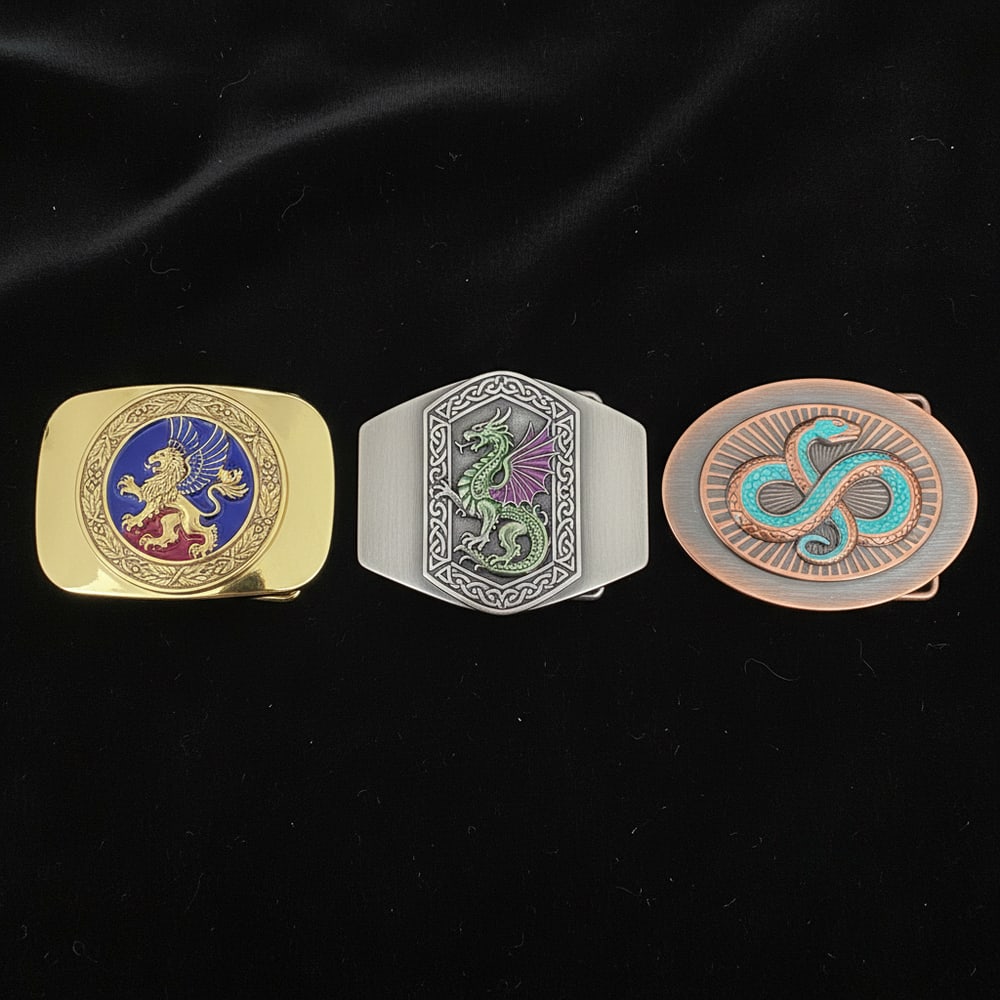
Zinc alloy is the most popular and versatile choice. Molten metal gets injected into a steel mold, a process called die-casting, which captures fine detail and complex 3D shapes. It balances real heft against a reasonable price, which makes it the right call for most corporate awards, sports trophies, and organizational buckles.
Brass is the heavier, top-tier option, and it stands up as a heavy-duty custom belt buckle built to last. It is die-struck: a sheet of brass gets stamped under immense pressure with a custom die. The result shows crisp, clean lines and holds up for decades. That weight signals quality, so brass suits high-end awards and commemorative pieces.
Pewter renders detail well and carries a classic, weighty feel. It fits designs that call for an antique or historical look because it takes a patina beautifully. It runs softer than zinc or brass, but modern pewter alloys are lead-free and tough enough for award work.
Popular Plating and Finish Options Explained
Plating is the thin metal layer applied over the base material to set its color and finish. The finish decides whether the buckle reads shiny, matte, or aged. Pair the right plating with the right finish and you hit your target look.
Common plating options:
- Gold: a classic, prestigious look. Polish it for a bright shine or antique it to darken the recesses and pop the detail.
- Silver/Nickel: clean and modern, in polished or antiqued versions. Black nickel delivers a sleek gunmetal look.
- Copper: a warm, reddish-brown tone built for rustic and vintage designs. It almost always gets antiqued to deepen the color.
Soft or hard enamel then fills the recessed areas with color. This is how team colors and brand palettes land inside a custom buckle design. A final epoxy dome seals the surface and gives it a smooth, glossy finish.
The Design Process: From Concept to 3D Proof
Turning an idea into a finished buckle follows a set path. Know the steps and you know what to expect from your awards partner.
- Concept and artwork submission: send your logos, sketches, text, and thoughts on shape and style. Whether you sketch on paper or design your own belt buckle online, your drawing does not need to be perfect. A good manufacturer has designers who turn your concept into a production-ready file.
- Digital proof and revisions: before anyone cuts metal, you get a 2D or 3D digital proof. This rendering shows the exact shape, textures, colors, and dimensions. It is your moment to adjust. Strong manufacturers revise it for free until you sign off.
- Mold creation: once you approve the design, the shop cuts a custom steel mold. This precise step forms the negative image of your buckle, and its quality sets the detail of the final piece.
- Casting and finishing: molten metal fills the mold, or a brass sheet gets stamped. From there the raw buckle is trimmed, polished, plated, and color-filled by hand. Every step is skilled craft.
When Supplier Minimums Lock Out Small Teams and Champions
Custom awards go wrong when you pick the wrong custom buckle manufacturer. Most frustration traces back to thin transparency and a gap between what got promised and what showed up.
High minimum order quantities (MOQs) trip up teams first. Many suppliers run massive production lines and refuse anything under 50 or 100 pieces. That locks out small teams, individual champions, and anyone who needs custom belt buckles with no minimum, whether that is a single prestigious award or a short run for a booster club.
Cost ambiguity is the next hurdle. The per-piece price is only part of the number. Mold setup fees, charges for extra revisions, and inflated shipping from overseas suppliers can push the real total well past the quoted figure. Ask for the all-in cost, including the mold and any revision charges, before you commit.
Material choice can stall a decision, too. Zinc, brass, and pewter each carry different weight, detail, and price, and few buyers get a clear framework for picking one. Anchor the choice to purpose: budget and quantity point toward zinc, top-tier prestige points toward brass, and an antique look points toward pewter.
Then there is the worry that your idea is not polished enough to submit. Many first-time buyers hold back because they think a designer will judge a rough sketch. A strong awards partner expects a napkin drawing and turns it into a production-ready file, so the design skill sits with the shop, not with you.
Weak quality control is the last risk, and it shows up most with overseas factories that compete on price alone. You lose detail from the approved 3D proof, get sloppy color, or watch the plating chip within months. A lasting symbol of achievement should not wear out that fast. Long lead times and surprise shipping delays cause the same damage when you are racing a banquet or championship date.
Applications: More Than Just Western Wear
Rodeo and western culture made belt buckles famous, but custom buckles now show up as recognition pieces across dozens of industries and events.
- Corporate branding and awards: companies hand corporate logo belt buckles to top sales performers, mark years of service, or give them out as high-end items at trade shows. Each one is wearable, durable brand identity.
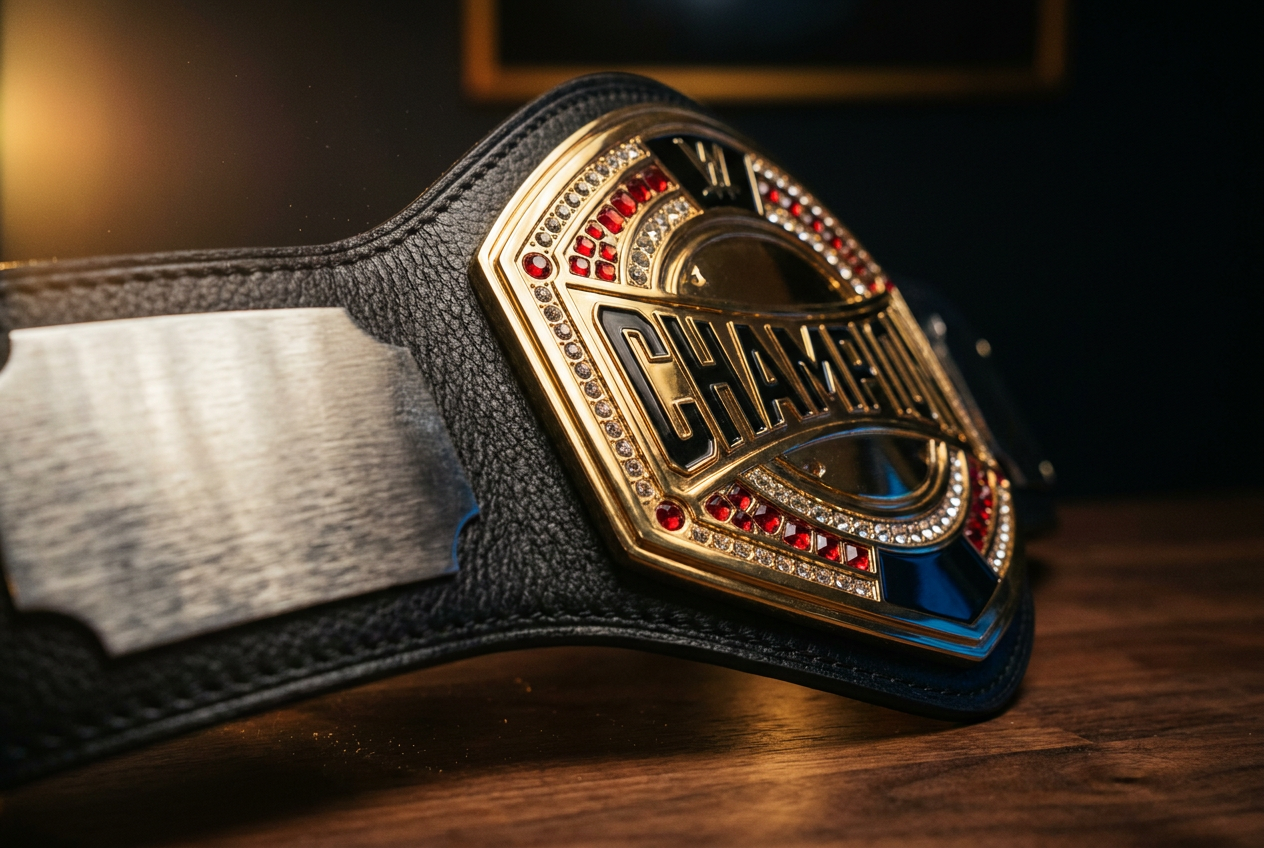
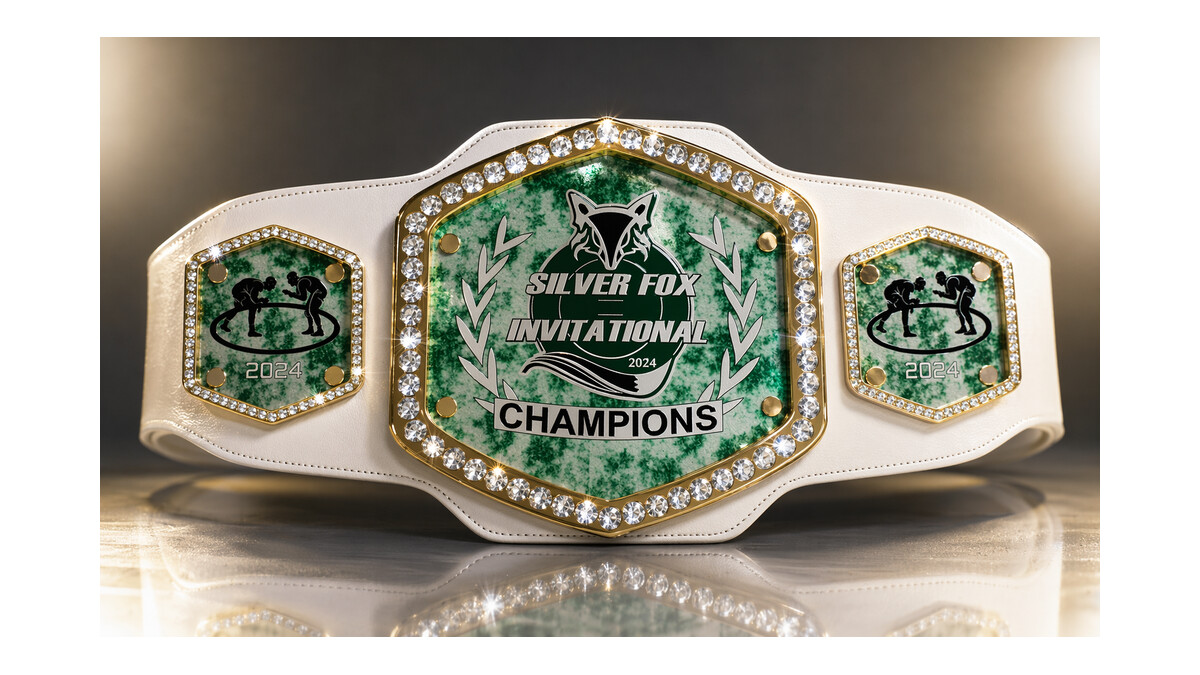
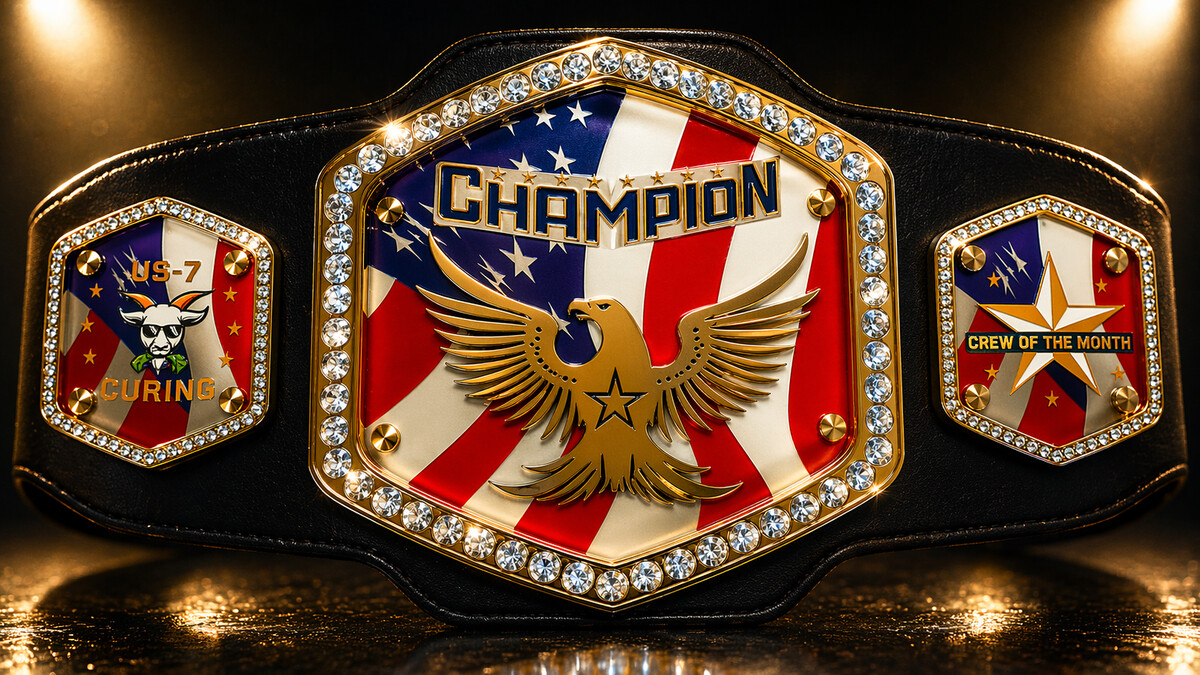
- Sports championships: motorsports, combat sports, football, and baseball teams reach for a custom buckle as a bold alternative or complement to a championship ring. These champion trophy buckles make a statement when a team celebrates a title, a natural extension of the grandeur in custom championship belts.
- Clubs and organizations: motorcycle clubs, car clubs, military units, and service groups like the Elks or Masons use buckles to mark membership and belonging.
- Special events and milestones: buckles make powerful keepsakes for family reunions, anniversaries, and personal achievements.
The Future of Customization: Trends in Belt Buckle Design
Custom awards keep evolving, and new tools give you more ways to build a one-of-a-kind piece. Buckle design is trending toward deeper personalization and function.
Hyper-personalization leads the way. Some buckles carry a QR code on the back that links to game footage or the winning roster, which adds a digital layer to a physical award. Mixed metals and unconventional finishes are growing too, pairing polished gold with matte black nickel or working in wood and carbon fiber.
On the production side, 3D printing speeds up prototyping and lets shops test complex geometries fast. Recycled metals and cleaner production methods are also reshaping the industry as sustainability moves up the priority list.
Getting Custom Belt Buckle Scale and Prestige Right
The right partner and design come down to a few decisions. Run this checklist before you order so the final piece hits your marks for quality, budget, and timeline.
- Define your purpose and audience. Is this a single top-tier award for one champion, or a recognition piece for a 50-person team? Scale and prestige steer your material and complexity.
- Set a realistic budget. Custom work carries a mold setup cost. Price tracks material (zinc vs. brass), size, complexity, and quantity. Tell your manufacturer your budget so they can find the best fit.
- Insist on a detailed digital proof. Never commit without a 2D or 3D rendering. It is your best guarantee the final piece matches your vision, and a quality partner delivers it free with unlimited revisions.
- Verify the maker’s capabilities. Ask about materials, turnaround time, and minimum orders. A USA-based custom buckle maker means clearer communication, faster shipping, and tighter quality control.
Work through these points and you trade the guesswork of a custom order for confidence in a lasting emblem of success. A specialist in custom metalwork builds your vision with real craftsmanship and precision.
Buckle, coin, or medal, the fundamentals of great custom design hold. See how expert craftsmanship turns a concept into a championship-caliber award in our portfolio of fully custom projects, made right here in the USA.
Frequently Asked Questions (FAQs)
What is the average cost of a custom belt buckle?
Custom belt buckle pricing shifts with quantity, size, material, and design complexity. A simple zinc alloy buckle in a larger run runs about $15 to $30 per piece. A large, highly detailed brass buckle ordered as a single piece can hit $100 or more. Mold setup fees factor in too, though some manufacturers waive them on larger orders.
How long does it take to get custom belt buckles made?
A fully custom buckle takes 3 to 6 weeks from design approval to delivery. That window covers mold creation, casting, and hand-finishing. Simple designs move faster, and highly complex pieces take longer.
What is the best material for a custom buckle?
For most projects, zinc alloy is the best all-around material. It combines cost efficiency, durability, and sharp 3D detail. When you want a heavier, more substantial feel for a top-tier award, brass is an excellent choice.
Can I order just one custom belt buckle?
Yes. Many factories demand minimums of 50 or 100 units, but award specialists gladly produce a single buckle with no minimum order. That suits individual championship awards, retirement gifts, and one-of-a-kind keepsakes, with the same design and quality process as a bulk order.
Are your custom belt buckles made in the USA?
Yes. The custom buckles covered in this guide are designed and made in the USA. Domestic manufacturing means clearer communication during design, tighter quality control on plating and enamel, and faster shipping than overseas suppliers, so your award arrives ready for the ceremony.