What comes to mind when you hear the words Miami Hurricanes ? Most may think about the team colors while others may say Turnover Chain . Turnover Chains have become a huge highlight in the world of Miami Hurricane news and here’s why.
The All-American Softball and Its Championship Rings: An Enduring Legacy
by William | Mar 19, 2026 The American softball saga commenced on Thanksgiving Day, 1887, in Chicago - a moment that forever etched its place in history as the sport's birth. The sport... read more
Where to Buy Custom Rings Online
by William | Mar 10, 2026 Your season ended with a trophy moment. Now you need 30 custom rings, each with a different name, number, and finger size, delivered before the banquet in five weeks.... read more
Types of Employee Recognition Awards
by William | Mar 8, 2026 The days of settling for a generic plaque with a printed label are over. You have the budget. You have the ceremony. You have the slide deck. And when the big moment... read more Premium custom championship rings, pendants, and awards for teams, leagues, and organizations nationwide. Designing & manufacturing champion rings since the 1940s. Descendants of Italian artisans who migrated to America through Ellis Island, NY. Follow Follow Follow Quick Links Home Championship Rings About Us Blog Get a Quote Contact info@coluccicustomawards.com (803) 760-7099 Monday – Friday 9:00 AM – 6:00 PM EST © 2026 Colucci Custom Awards. All rights reserved.
Miami, 2017
The turnover chain arrived fully formed in the 2017 college football season, on the Miami Hurricanes sideline. Defensive coordinator Manny Diaz had the idea of a physical reward that a defender could put on immediately after forcing a turnover, in view of the crowd and the cameras.
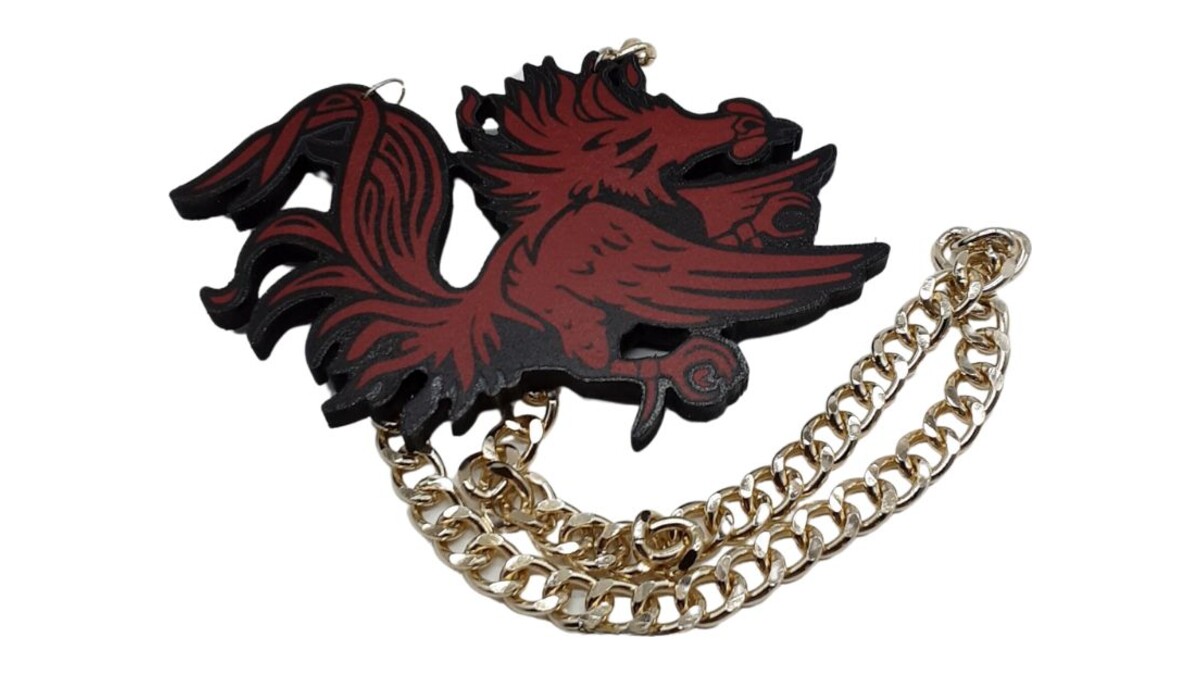
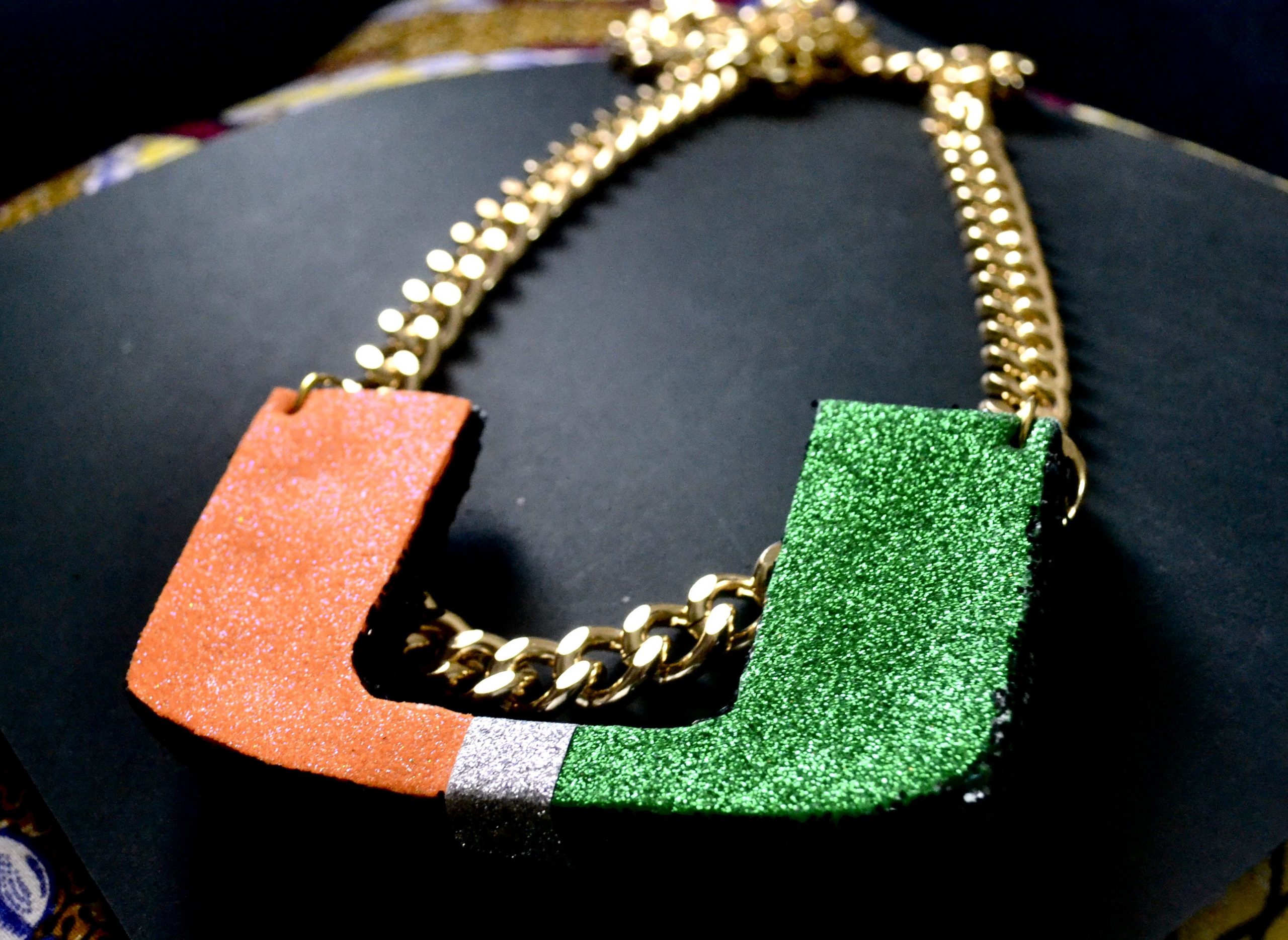
The object itself did the rest of the work: a heavy Cuban link chain carrying a large, stone-set "U" logo. It was deliberately excessive, and that was the point.
Why It Worked
Sideline rewards were not new. Helmet stickers had been around for decades. What the chain changed was visibility and immediacy. A sticker is small, applied later, and invisible from the stands. The chain went on within seconds, on camera, and made a turnover a moment rather than a statistic.
It also gave the defence something the offence usually monopolises — a celebration with a prop. Turnovers stopped being the absence of a mistake and became something a player could actively hunt.
The Copycats
Within a season the idea had spread across college football and downward into high school and youth programmes, in every conceivable variant. Turnover belts, turnover buckets, turnover hard hats, turnover backpacks. Some were inspired, some were not, and the proliferation was fast enough that the original became a reference point rather than an outlier.
The pattern is familiar in sport: an idea that is cheap to copy and obviously effective spreads until it is standard. What separates the ones that last is whether the object is good enough that players actually want to wear it.
What Makes a Good One
The chains that work share a few traits. Weight, first — a light chain reads as a toy on camera and in the hand. Scale on the medallion, because it has to be legible from the stands and through a broadcast lens. Durability, because the piece is going to be thrown around a sideline every week for a season and handed between players who are not being careful with it.
Plating quality matters more than most programmes expect. A chain that looks superb in week one and tarnished by week six undermines the whole idea.
How They Are Built
A championship or turnover chain is usually a heavy Cuban or rope link in gold or silver plating, carrying a medallion built to the programme's logo. The medallion is typically cut to shape, plated, and set with stones by hand. Length is chosen so the piece sits over a jersey and shoulder pads rather than at the collarbone, which is why sideline chains run considerably longer than a chain worn day to day.
Lead time is driven by the medallion, not the chain — the logo work is where the hours go.