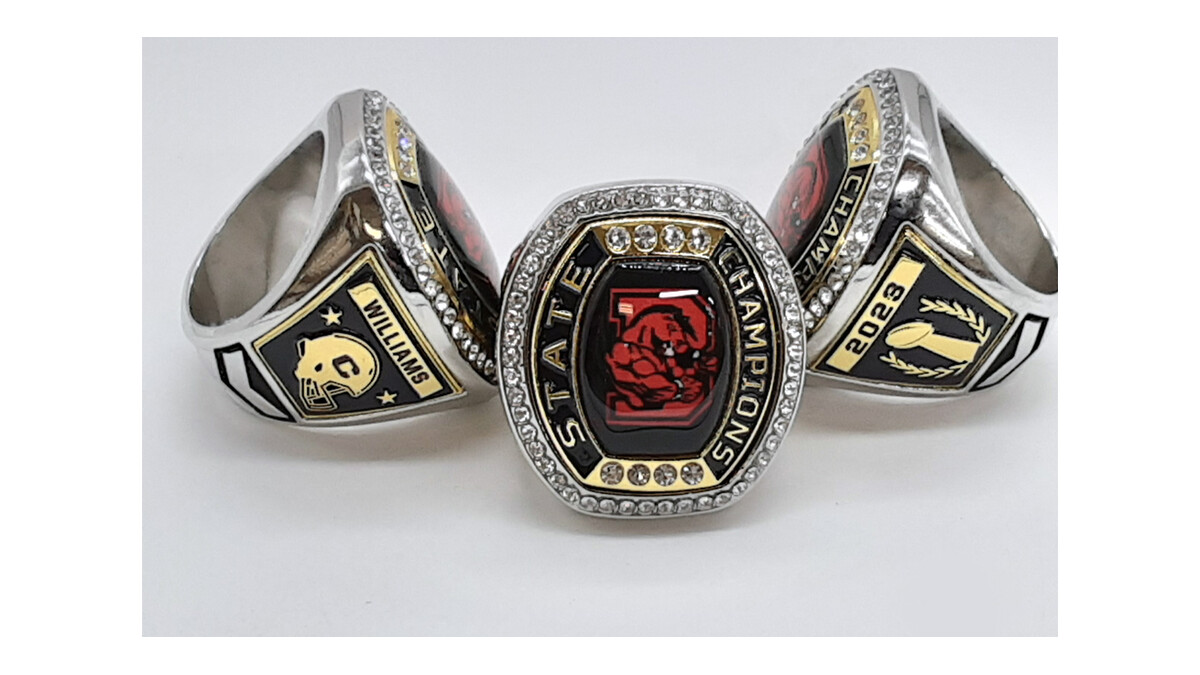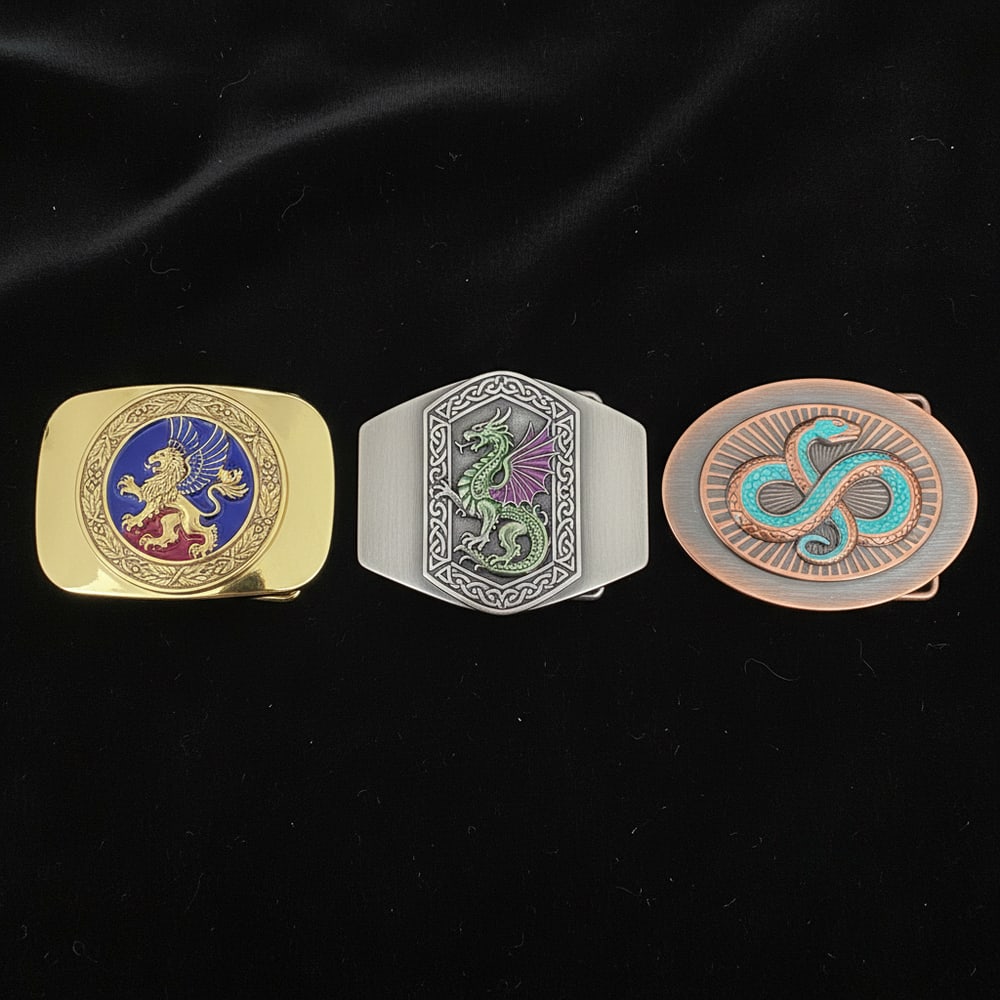
More than 250,000 high school athletes wrestle nationwide, part of the more than 7.5 million students competing in NFHS-member sports that season. A hard-won title in a field that size deserves more than a generic trophy. For a wrestling promotion, school, or tournament, the challenge is twofold: building prestige and creating a legacy that lasts. A custom championship belt solves both, and it carries your brand for years.
Designing a belt that matches the prestige of your event takes real knowledge of materials, design, and a belt maker who can build it. This guide walks you through the full process, from first concept to final delivery, so your champions get a title belt they are proud to wear, whether the win came on a wrestling mat or in MMA and combat sports.
| Belt Maker | Primary Focus | Standard Materials | Average Turnaround | Minimum Order |
|---|---|---|---|---|
| Colucci Custom Awards | Championship Awards (Belts, Rings, Chains) | Zinc Alloy, Brass, Genuine Leather | 3 to 6 Weeks | No Minimums |
| Wildcat Championship Belts | Custom Championship Belts | Zinc Alloy, Steel, Leather | Varies (Often 8 to 12+ Weeks) | 1 |
| Top Rope Belts | Custom Championship Belts | Brass, Zinc, Nickel, Leather | Varies by Project Complexity | 1 |
| Baron Championship Rings | Championship Rings | Various Metals, Leather | Varies (Often Longer Lead Times) | 1 |
| A&J’s Belts | Replica & Custom Belts | Brass, Zinc Alloy, Leather | Varies by Project | 1 |
Phase 1: Concept and Budget
Great belts start with a clear plan. Before any metal gets etched, you need a vision, a purpose, and a budget. A strong concept anchors every design choice that follows.
Define Your Belt’s Purpose and Story
Start by asking what the belt represents. A state championship, a local promotion’s grand prize, a fantasy football championship belt, and a corporate award each call for a different feel. A high school state final belt should look prestigious and classic. An independent circuit belt can go aggressive and modern. Write down the themes, colors, and symbols tied to your event or organization.
Set a Realistic Budget
Custom belts are an investment, and the biggest challenge for most organizers is budget uncertainty and the hidden costs that creep into custom projects. Most belts run from a few hundred to several thousand dollars depending on materials, detail, and quantity. The metal drives much of the cost: zinc alloy is standard, brass is the higher-grade option. Plate thickness, etching detail, color count, and leather grade all factor in too. Set your budget early so it guides your design and your conversation with a belt maker. We price factory-direct, so you skip the middle-man markup and there are no surprise fees.
Gather Visual Inspiration
Build a mood board. Collect belts you admire, logos you like, and textures that catch your eye. Study classic wrestling belts and modern MMA titles. Note the main plate shape, the side plate layout, the leather tooling, and the metal finishes. These references make it far easier to explain your vision to a designer.
Phase 2: Nailing the Design Elements
With your concept set, focus on the parts that make up the belt. Each one is a chance to reinforce your brand and raise the award’s prestige. One challenge is making sure the finished belt carries the heavyweight feel of a true title and never reads as a lightweight replica or a toy. Plate thickness, metal choice, and genuine leather are what deliver that feel.
The Main Plate: Your Centerpiece
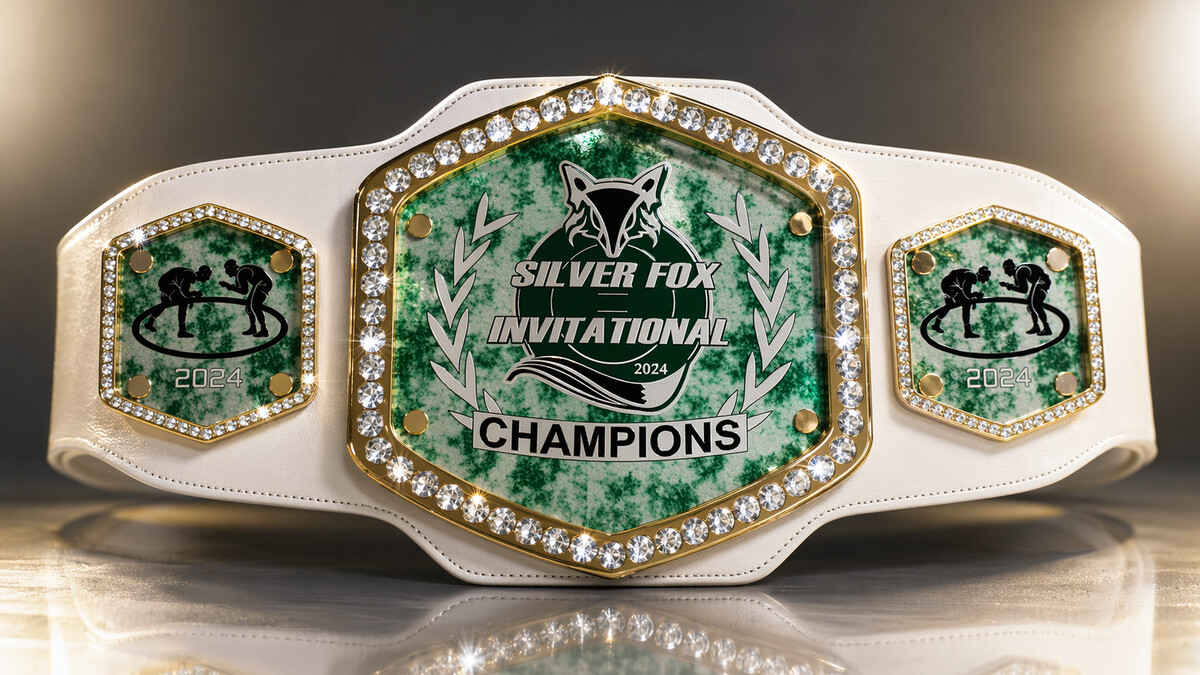
The main plate is the centerpiece. It usually carries your primary logo, the event name, and the word “Champion.” Pick a shape that fits your brand: a classic circle or oval, a bold shield, or something entirely custom. Keep the layout balanced and lead the eye to what matters most. 3D relief raises parts of the design to different levels and adds real depth.
Side Plates: More of the Story
Side plates give you room to tell more of the story. Use them for secondary logos, divisional titles, weight classes, or symbolic art. Most belts carry two or three side plates per side. Interchangeable side plates let you add a champion’s name or an event date later. That solves a real challenge: future-proofing the belt so next year’s champion joins the same legacy instead of receiving a separate award.
The Strap: Material, Color, and Tooling
The strap is more than a backing for the plates. It shapes the look and feel of the whole belt. Genuine leather is the standard for quality, durability, and a refined finish. Black is classic and versatile, but red, blue, white, or a brand color makes a statement. Decorative edge tooling or a pressed pattern adds another layer of craftsmanship.
Choosing Metals and Finishes
The metal finish changes the entire look of the belt. The most common options are:
- Polished Gold: the classic, brilliant look of a champion.
- Polished Silver/Nickel: a clean, bright, modern alternative to gold.
- Antique Gold/Silver: black accents in the recessed areas make details pop and give the belt a distinguished, aged look.
- Dual Plating: gold and silver on the same plate highlight specific design elements.
Enamel paint fills etched areas with your brand colors and brings the design to life.
Phase 3: Choosing the Right Belt Maker
Your design is only as good as the team that builds it. Picking the right belt maker is the step that decides whether your vision ships flawlessly.
What a Top-Tier Belt Maker Looks Like
Look for expertise, transparency, and a real commitment to quality. The signals that matter:
- USA-made craftsmanship: a maker that controls the process from design to delivery in the USA holds tighter quality control and hits more reliable timelines.
- No minimum orders: a league with one champion deserves the same care as a league with 100. A partner with no minimums works for your needs, not just volume.
- A transparent process: good makers are upfront about cost, timelines, and materials. A free 3D digital proof before you commit a dollar is the standard to expect.
Reviewing Portfolios and Testimonials
A strong belt maker shows an extensive portfolio. Study the detail in their photos. Are the lines sharp? Is the plating consistent? Does the leather look full-grain? Read reviews from other organizations and watch for notes on communication, delivery speed, and final quality.
Understanding the Proofing and Revision Process
Turning a creative idea into a technically sound design is a challenge without deep industry knowledge, and that is exactly what a collaborative belt maker and a 3D proof are for. Your partner should send a detailed digital rendering, ideally a 3D proof, for your approval before production starts. That is your moment to adjust colors, text, or layout. The best makers offer unlimited revisions until the design is right. This step kills costly mistakes and guarantees the belt you approve is the belt you receive.
Phase 4: Production and Delivery
With the design locked and the right belt maker chosen, you reach the best part: building your belt.
Submitting Your Final Design
Once you approve the final 3D proof, the belt maker prepares the production files. This converts your 2D artwork into a 3D model that guides the die-casting or CNC-etching machines. Confirm every detail one last time: spelling, dates, colors, and finishes.
From Etching to Assembly
Building a belt takes several stages of skilled work. First, the metal plates are die-cast or etched with your design. Then they are polished, plated in gold, nickel, or another finish, and hand-painted with enamel. The genuine leather strap is cut, tooled, and prepared in parallel. Finally, the plates are mounted to the strap and the belt clears a full quality check.
Final Inspection and Shipping
Meeting a tight event deadline is a constant challenge for tournament and event organizers. A reliable belt maker turns work around fast: a fully custom, USA-made belt typically takes 3 to 6 weeks. A final inspection confirms every detail matches the approved proof. Then the belt ships in secure packaging, ready for your championship ceremony.
How to Put Your Belt Design into Practice
The decision that shapes everything is who you trust to build the belt. Choose a belt maker that controls the full process in the USA, sets no minimum order, and proves the design with a free 3D proof before you pay. Those three signals separate a maker who will hit your event deadline from one who leaves you guessing.
Weigh the metal against your budget, confirm the side plates can carry next year’s champion, and ask to see the proof before production. A belt maker who collaborates openly and stands behind unlimited revisions gives you a title belt your athletes will be proud to wear for decades.
Ready to build a championship belt your athletes will never forget? Browse our gallery of custom championship belts and request a free quote. Our design team will help you craft a title belt as legendary as your champions.
Frequently Asked Questions (FAQs)
How much does a custom wrestling championship belt cost?
Custom belt pricing depends on plate thickness, materials (zinc versus brass), plate count, design complexity, and color fills. Most belts run from about $400 for simpler designs to over $1,500 for highly detailed work. We give you a clear, upfront quote based on your free 3D design proof.
What is the turnaround time for a custom belt?
Our standard turnaround is 3 to 6 weeks from final design approval, one of the fastest in the industry. We own our factory and run the entire process in the USA, so you hit your banquet or event deadline.
What is the difference between zinc and brass championship belts?
Zinc alloy is the standard, budget-friendly metal for championship belt plates: durable, detailed, and lighter on cost. Brass is the higher-grade upgrade, with greater weight, a richer finish, and a true heavyweight feel in hand. The right choice comes down to your budget and the prestige you want the belt to carry, and we walk you through both on your free 3D proof before you commit a dollar.
How does the 3D design and proofing process work?
You share your logos, colors, and vision, and our design team renders a 3D digital proof of the full belt before you commit a dollar. You review the plates, leather, finishes, and text, then request unlimited revisions until the design is signed off. Only after you approve does the belt go into production, so the belt you see is the belt you receive. You can start with our free 3D proof.
Is there a minimum order for a custom belt?
No. We have zero minimums, so you can order one belt or one hundred with the same care. A single-champion league gets the same attention as a 30-athlete team.