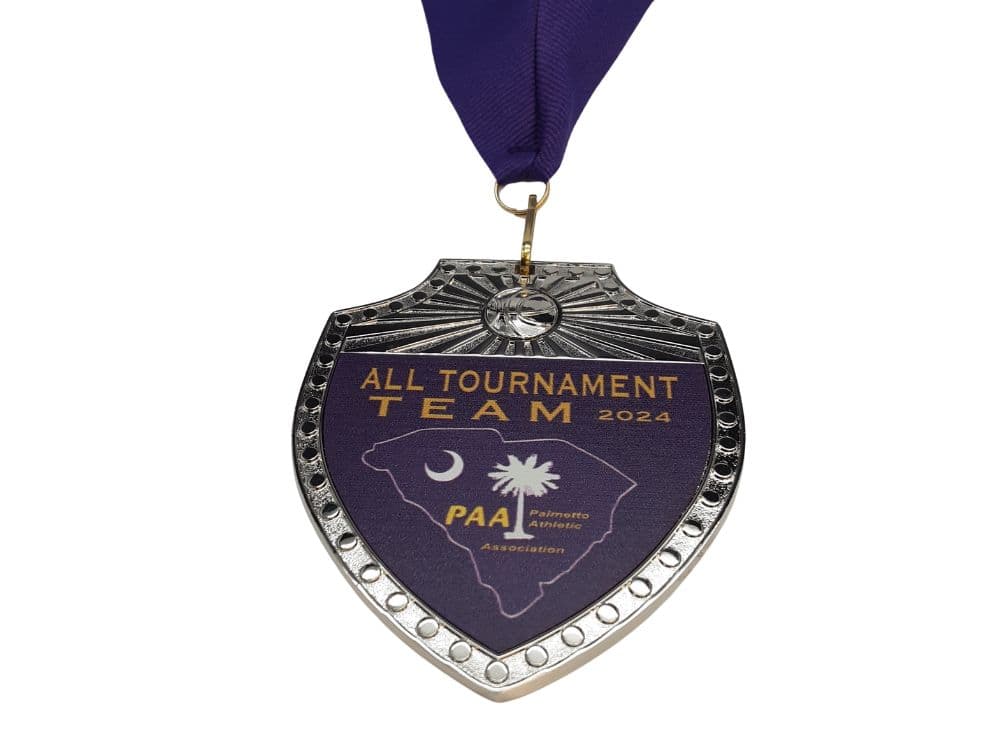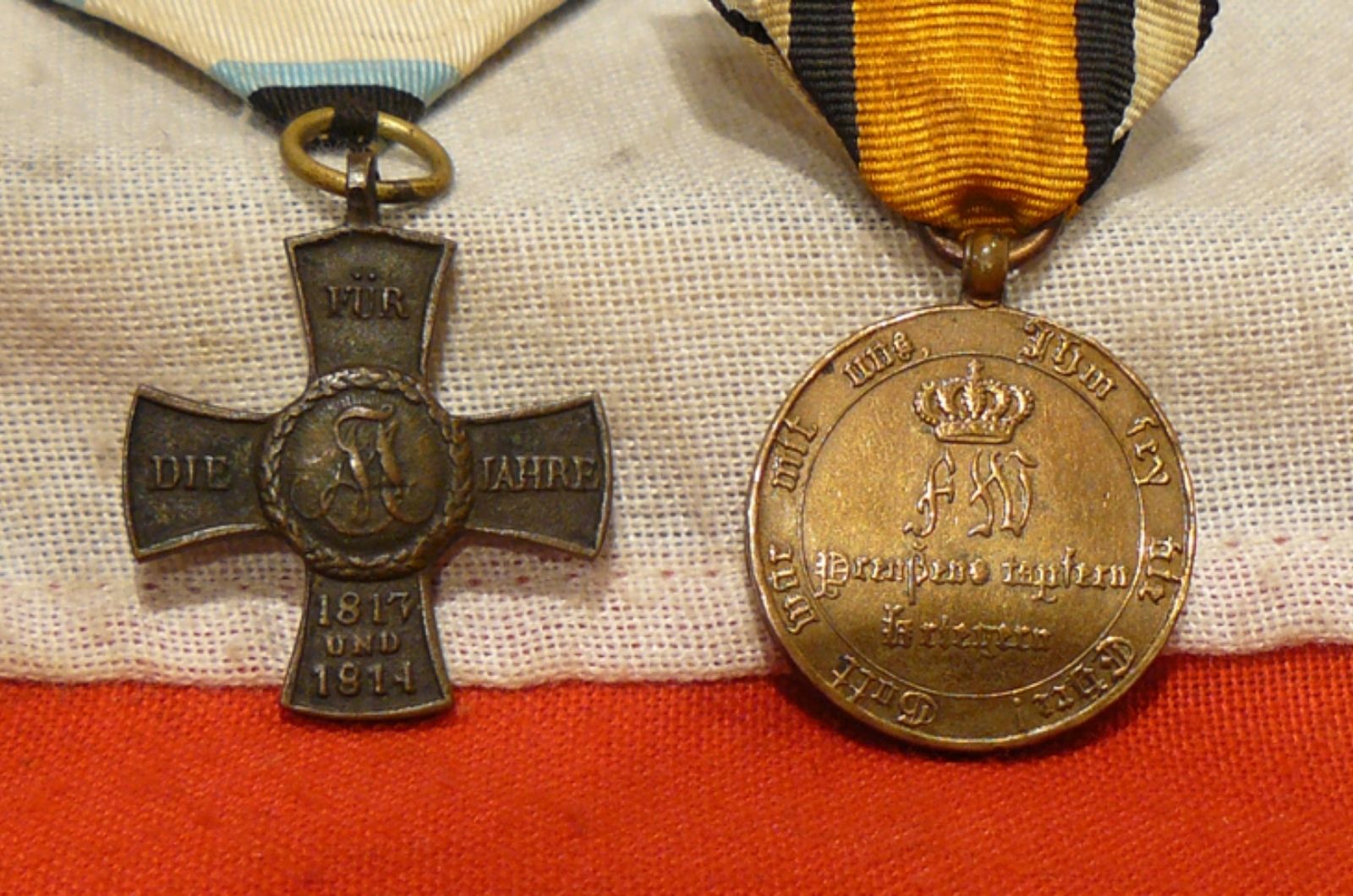
Let us take a walk in the history of the medals. Most of us are familiar with the first medals, Pisanello that was produced in 1438 by an Italian painter Antonio Pisano. History tells us that medals were mostly used as an award.
The Legion of Honour
The single most consequential decoration of the Napoleonic period is the Légion d'honneur, established in 1802. What made it significant was not its design but its eligibility: it was open to soldiers and civilians alike, awarded for merit rather than birth. In a Europe where honours largely followed aristocratic rank, that was a structural change, and the order still exists as France's highest distinction.
Decorations as an Instrument of Morale
Napoleon understood recognition as a practical tool rather than a ceremonial afterthought. The remark commonly attributed to him — that it is with such baubles that men are led — is cynical in tone but describes something real. An army that could not always be paid promptly could still be recognised publicly, immediately, and in front of its peers.
The lesson transfers well beyond the military. Recognition delivered in front of the group, at the moment it is earned, does work that a delayed bonus does not.
The Saint Helena Medal
One of the most collected pieces associated with the era was not issued during it. The Médaille de Sainte-Hélène was created in 1857 under Napoleon III and awarded to surviving veterans of the campaigns fought between 1792 and 1815. It was distributed very widely, which is why examples still circulate today, and it functions as a retrospective campaign medal for a generation that had never received one.
Design Characteristics
Napoleonic-era decorations share a recognisable visual language. Profile portraits in the classical manner, laurel wreaths borrowed from Rome, the imperial eagle, and Latin or French inscriptions around the rim. The deliberate echo of Roman imperial imagery was political as much as aesthetic — it positioned the empire as a successor rather than an innovation.
Notes for Collectors
Two cautions are worth stating plainly. First, reproductions are common, particularly of the more famous pieces, and some are old enough to have acquired convincing wear. Second, provenance matters more than condition in this field; a documented piece in worn condition is generally more interesting than an immaculate example with no history.
Original ribbons are frequently replaced, and a modern ribbon on a genuine medal is normal rather than suspicious. If you are buying seriously, buy from specialists and expect documentation.