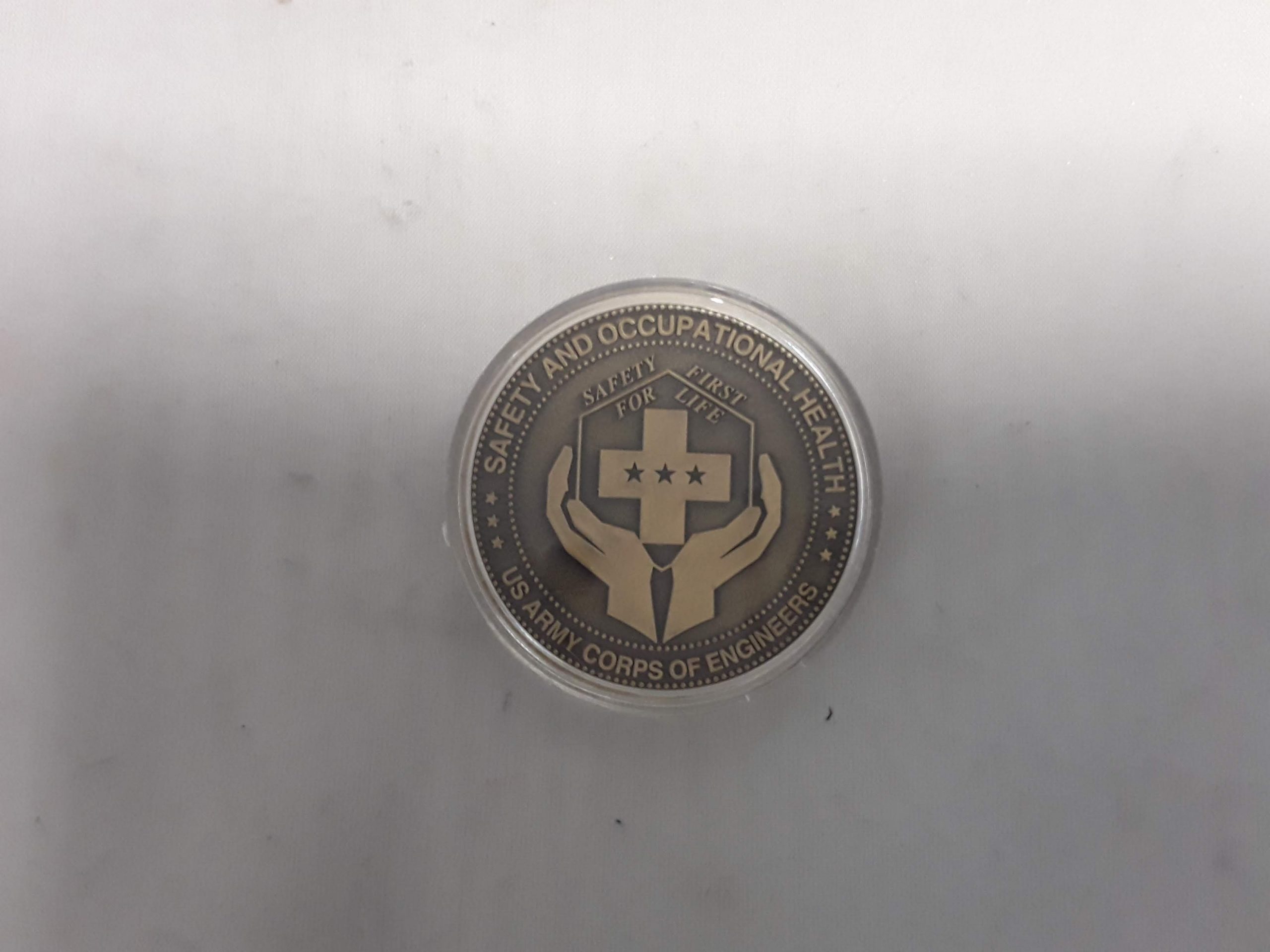
It's nearly impossible to definitively know why and where the tradition of challenge coins began. One thing is certain: Coins and military service go back a lot farther than our modern age.
The All-American Softball and Its Championship Rings: An Enduring Legacy
by William | Mar 19, 2026 The American softball saga commenced on Thanksgiving Day, 1887, in Chicago - a moment that forever etched its place in history as the sport's birth. The sport... read more
Where to Buy Custom Rings Online
by William | Mar 10, 2026 Your season ended with a trophy moment. Now you need 30 custom rings, each with a different name, number, and finger size, delivered before the banquet in five weeks.... read more
Types of Employee Recognition Awards
by William | Mar 8, 2026 The days of settling for a generic plaque with a printed label are over. You have the budget. You have the ceremony. You have the slide deck. And when the big moment... read more Premium custom championship rings, pendants, and awards for teams, leagues, and organizations nationwide. Designing & manufacturing champion rings since the 1940s. Descendants of Italian artisans who migrated to America through Ellis Island, NY. Follow Follow Follow Quick Links Home Championship Rings About Us Blog Get a Quote Contact info@coluccicustomawards.com (803) 760-7099 Monday – Friday 9:00 AM – 6:00 PM EST © 2026 Colucci Custom Awards. All rights reserved.
Ancient Precedent: Coins as Recognition
Rewarding service with a coin is not a modern idea. Roman soldiers who distinguished themselves in battle could receive their pay plus a separate coin struck for the occasion, and accounts suggest some men kept these rather than spend them. The impulse is the same one behind a challenge coin today: money is spent and forgotten, but a marked piece of metal becomes a record of having been there.
The Origin Story That Gets Told
The most repeated origin story places the challenge coin in the First World War. A wealthy officer is said to have had bronze medallions struck for his flying squadron; one pilot, shot down and captured, escaped and reached a French outpost, where he was taken for a saboteur. With no papers, he produced the medallion, someone recognised the insignia, and his life was spared.
It is a good story and it is told constantly. It is also difficult to document, and historians treat it with caution. What is not in doubt is that by the second half of the twentieth century the practice was firmly established in the American military.
The Vietnam Era and the Challenge
The tradition most people mean by "challenge coin" solidified around the Vietnam era, when unit coins spread through the Army Special Forces and beyond. With them came the challenge itself: a member produces their coin, and anyone present who cannot produce theirs buys the round. Produce yours, and the challenger buys instead.
The rules vary by unit, but the constants are consistent. The coin must be carried, not stored at home. It must be reachable within a step or two. And a coin given by hand, in a handshake, from a commander to a service member carries more weight than one bought.
Beyond the Military
Challenge coins moved outward from the armed forces into police and fire departments, federal agencies, and eventually corporate and non-profit recognition programmes. The reason they travelled well is that they solve a specific problem: how do you mark belonging to a group in a way that is portable, durable and not a certificate in a drawer?
Recovery communities adopted the same logic for sobriety medallions. Companies use them for milestone recognition where a plaque would be impersonal. The object is small enough to carry and heavy enough to feel significant.
How Challenge Coins Are Made Today
Most coins are die-struck from brass, bronze, copper or zinc alloy. A steel die is cut with the design, and the blank is stamped under high pressure, which produces the crisp raised relief a cast coin cannot match.
From there the options open up. Soft enamel leaves the metal lines raised above the colour, giving a textured surface you can feel. Hard enamel is filled and polished flat, producing a smoother, more formal finish. Plating in gold, silver, nickel or antique finishes changes the character again, and edge treatments — rope cut, cross cut, oblique — distinguish one unit's coin from another at a glance.
Sizes typically run from 1.5 to 2 inches, with thickness and diameter the main drivers of cost. If you are designing a coin, decide the size first and the finish second.