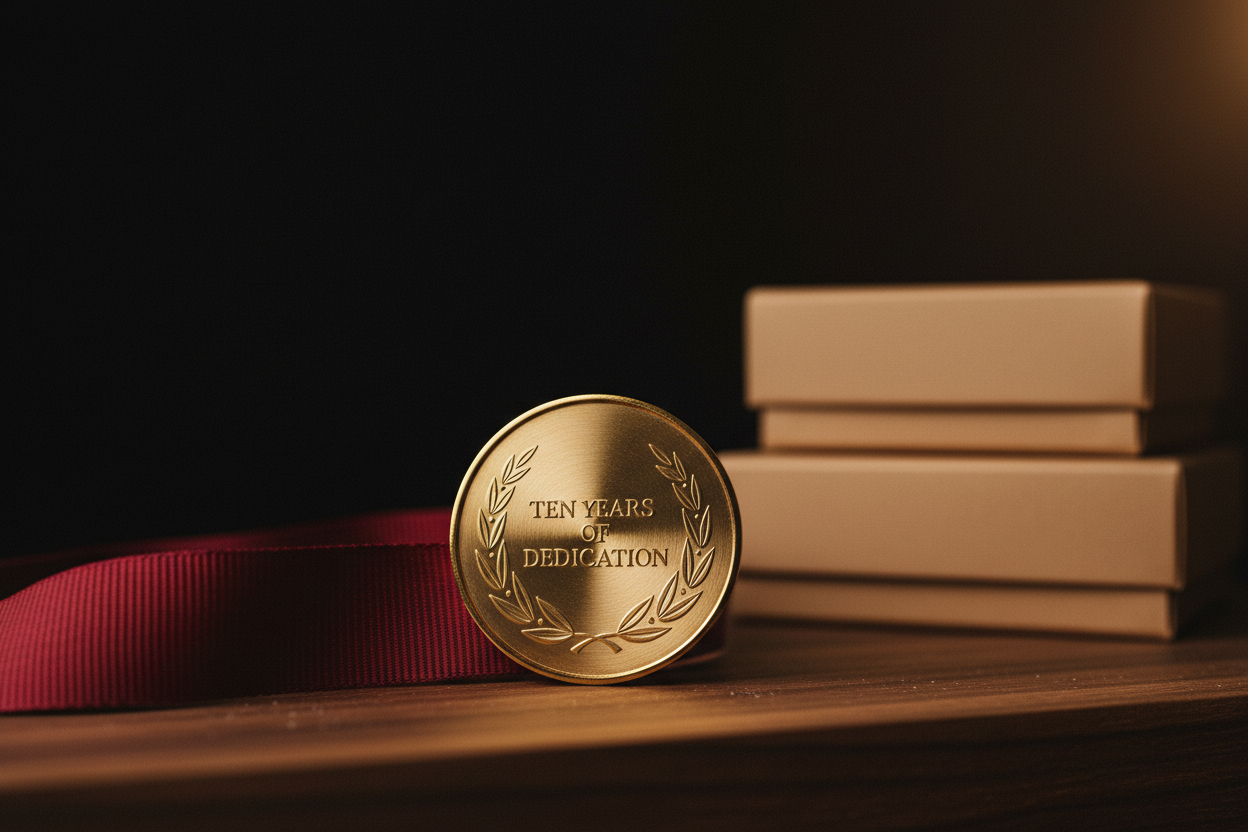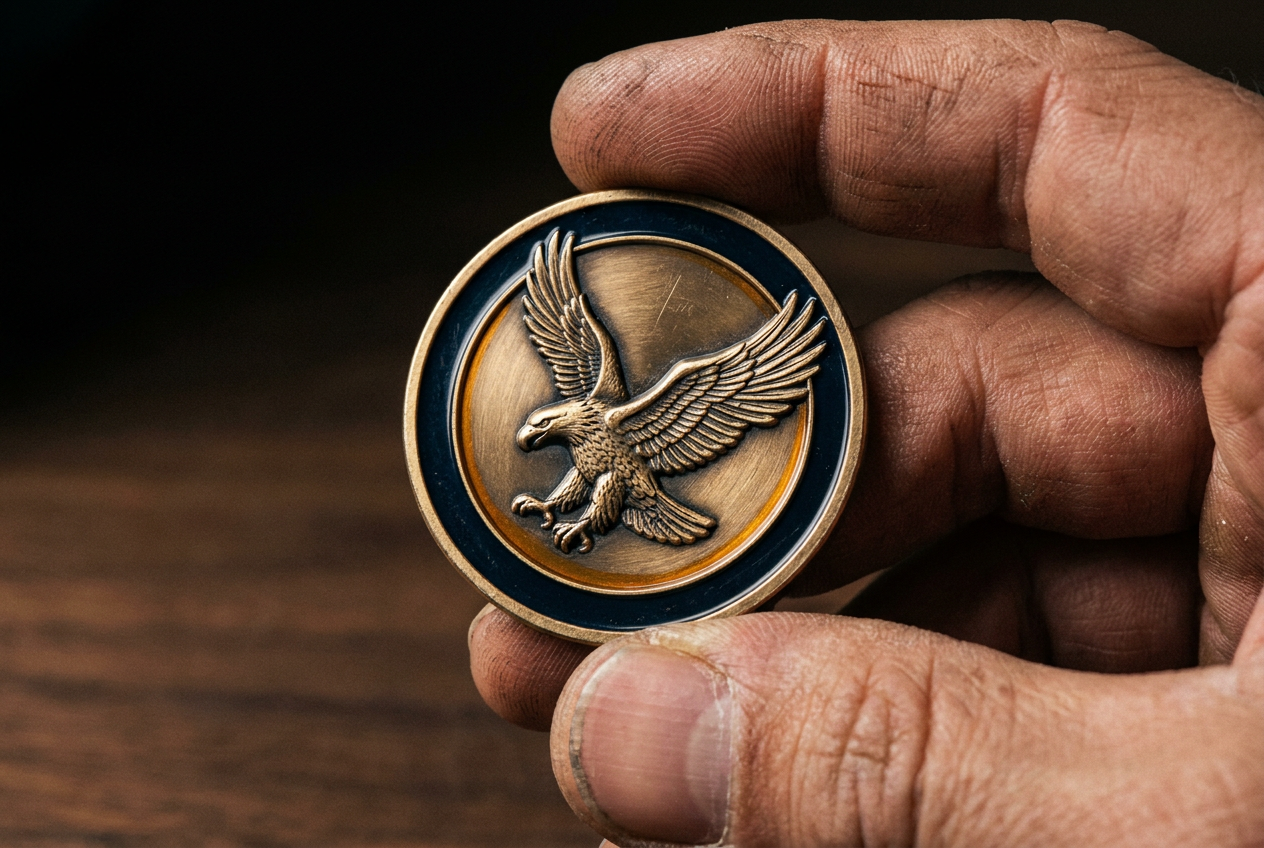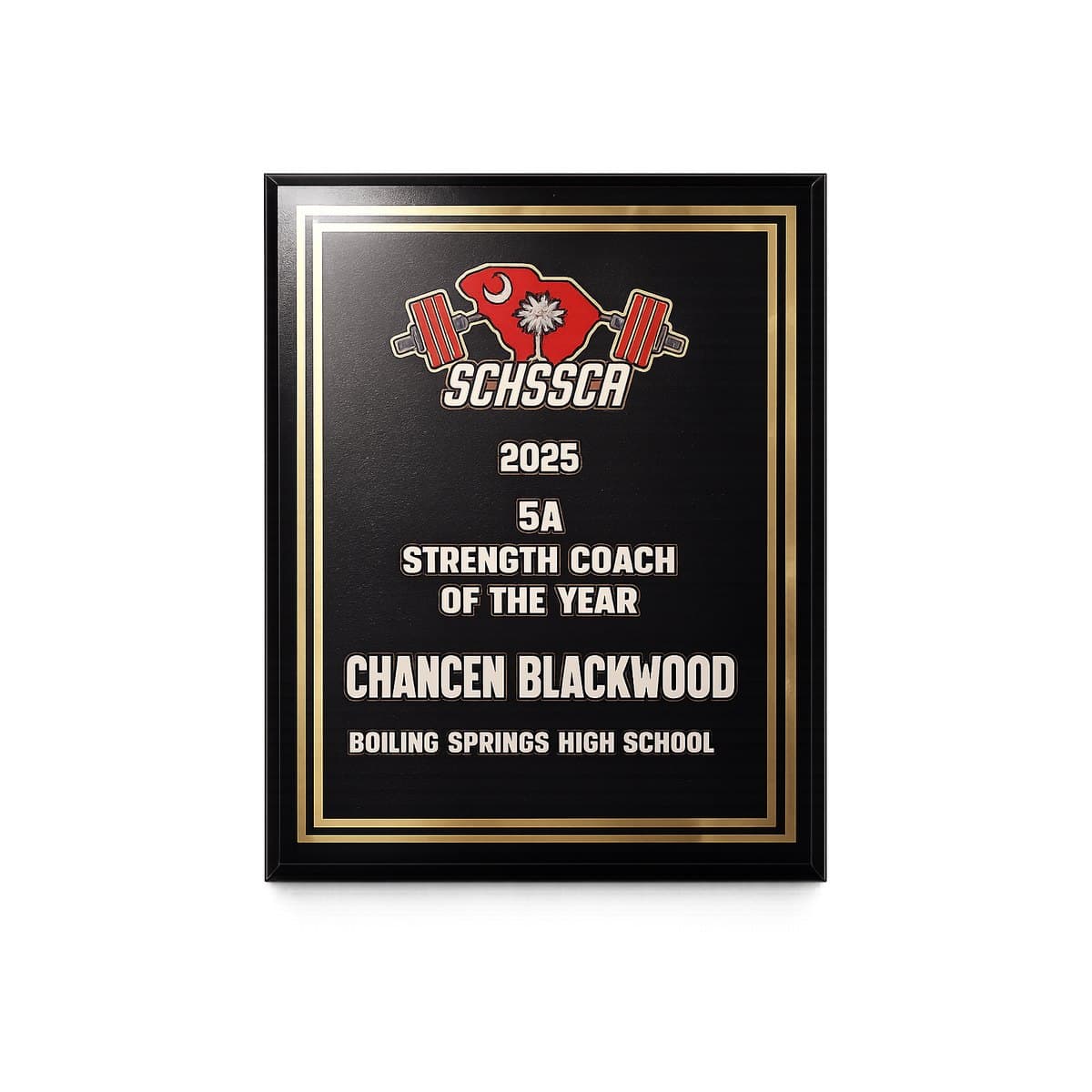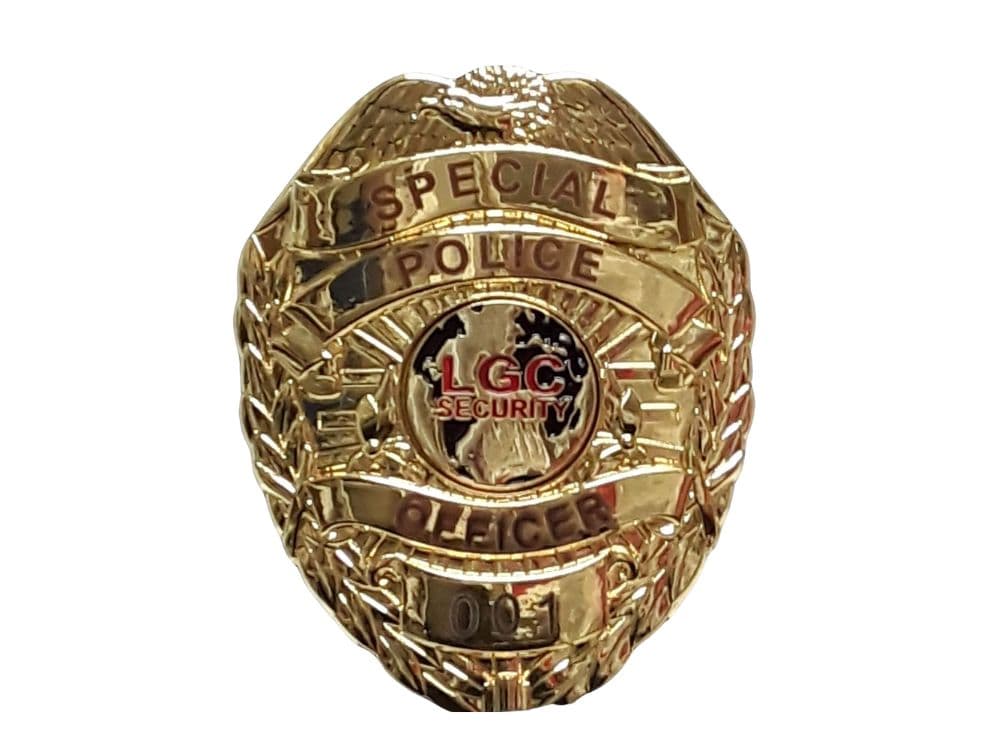
Off-the-shelf identification hardware bends, tarnishes, and goes dull inside a single season. Municipal departments, security teams, corporate recognition programs, athletic departments, and tournament directors all hit the same procurement wall when they go to reorder: minimum quantities they cannot use, tooling fees nobody quoted up front, and overseas transit that misses the ceremony date. Buying from a custom metal badge manufacturer instead of a reseller gives your ceremonial insignias, service emblems, and recognition pins real structural weight and permanent detail.
The recognition volume behind that hardware is enormous. The National Federation of State High School Associations counted 8,266,244 high school sports participants in 2024-25, an all-time record. Aspen Institute Project Play reports that 58% of children ages 6 to 17 played organized sports in 2024. Add every civic service award, public safety promotion, and corporate milestone issued in the same year, and someone has to make the hardware for all of it.
A struck metal emblem does something a printed certificate cannot. The recipient feels the weight of the piece and ties it directly to the milestone. Manufacturers who understand high-relief engraving, alloy selection, and plating thickness produce heirlooms. Everyone else produces novelty items.
Types of Custom Metal Badges and Insignia Built by Industrial Badge Makers
Most people picture button pins or laminated security passes. An industrial badge fabricator works in cast and struck metal instead. The catalog runs from dimensional breast stars and municipal shield badges to solid brass service emblems, custom police and security badges, high-detail lapel pins, commemorative medallion inserts, and tournament credentials.
The equipment behind heavy insignia overlaps with the rest of the recognition trade. The same die-sinking and electroplating technology used by custom trophy makers and championship ring makers drives serious badge work. A raised-relief brass crest for a service anniversary and a heavy zinc medal for a tournament champion come off the same production floor. The fabricator adjusts the alloy, the relief depth, and the attachment hardware to match the job.
Die Striking vs. Die Casting: The Two Core Methods
Your artwork decides the method. Die striking and die casting produce different looks, different price points, and different limits on geometry.
- Die striking (stamping): A solid sheet of brass, copper, or iron sits between two steel dies and takes a hydraulic strike. The metal flows into every crevice of the die, which yields razor-sharp lines and serious heft. Die striking is the standard for flat-relief insignias, service medals, and traditional shield badges.
- Die casting (spin casting or injection): Molten zinc alloy or pewter fills a steel mold under pressure. Casting handles multi-dimensional curves, deep 3D relief, cut-out holes, and open-work that would crack a stamping die. It is the right call for sculpted medallions, layered badges, and pieces that need thickness without the raw-material bill.
Match the process to the artwork and you avoid a rework cycle. Crests with sculptural mascots or deep interior cutouts belong in a casting mold. Geometric shields with recessed lettering belong under a die.
Where Most Custom Badge Orders Break Down
Custom metal insignia passes through several technical stages, and a small oversight at any one of them ruins the whole batch. These eight failures cause the most reorders:
- Artwork that will not scale: Hairline strokes and tight serif fonts do not survive translation into physical metal walls. Low-tier fabricators push the file through anyway, and the result is blurred typography and muddy detail across the badge face.
- Thin plating and clear-coat failure: Rushed chemical baths and undersized plating deposits invite oxidation. Badges without an electrophoretic lacquer or a proper base-metal barrier show green corrosion, flaking nickel, and blotchy color after light wear.
- Nickel leaching: An unsealed base metal does more than look worn. It marks shirt collars, discolors uniform fabric, and irritates anyone with a nickel sensitivity. Specify a tarnish-resistant plating stack and a sealed topcoat so the badge never leaves a green mark on the wearer.
- Wrong fastener for the weight: A lightweight butterfly clutch on a dense cast badge flips the insignia upside down or tears through the fabric. Heavy pieces need double posts, magnetic plates, or screw posts built for the load.
- Solder joint failure: The pin, clutch post, or clip is soldered to the back plate, and that joint absorbs every twist of daily wear. A cold or undersized solder joint separates from the casting long before the plating wears through. Ask how the backing is attached and what solder alloy the shop uses.
- Hidden tooling costs and minimums: Overseas brokers advertise a low unit rate, then add mold fees, art adjustment charges, and a minimum order you never asked for. That math punishes small squads, booster clubs, and local tournament directors who need a handful of pieces.
- Tariffs and customs holds: An import quote is not a landed cost. Duty changes, port congestion, and a customs inspection all add time to a shipment that was already scheduled tight, and the ceremony date does not move. Domestic production removes that variable.
- Color drift between runs: Reorder a badge a year later from a shop with no archived Pantone record and the enamel comes back a shade off. Your new hires end up wearing a slightly different badge than the rest of the team.
Custom Metal Finishes and Enamel Options Explained
Surface treatment sets the formality, the durability, and the legibility of the finished piece. Electroplating lays a real layer of gold, silver, nickel, or bronze over the base metal core. Polished plating throws a mirror shine that reads well at a banquet. Antique and sandblasted finishes cut glare, deepen the recessed shadows, and pull out fine engraving.
Color comes down to two choices. Soft enamel fills the recessed cavities and leaves the raised metal ridges standing proud, which gives the badge a layered, tactile surface you can feel with a thumb. Hard enamel, also called Cloisonné, fills those cavities flush with the metal border, then bakes and polishes flat. You get a smooth, scratch-resistant face with the look of fine jewelry. Both finishes accept a protective epoxy dome for outdoor and high-wear use.
Custom Badge Makers Compared
Manufacturers publish very little about minimums and lead times, so compare what is actually on the record before you commit tooling money.
| Badge Maker | Product Focus | Minimum Order | Free 3D Digital Proof | Published Turnaround |
|---|---|---|---|---|
| Colucci Custom Awards | Badges, medals, coins, pins, championship rings and chains, USA-crafted | No minimum order, 1 or 100 | Yes, before any payment | 3 to 6 weeks |
| V.H. Blackinton & Co. | American-made law enforcement and fire service badges, insignia and medals, Attleboro Falls MA | Not publicly listed | Not publicly listed | Not publicly listed |
| Smith & Warren | Public safety badges and insignia, online BadgeStudio design tool | Not publicly listed | Not publicly listed | Not publicly listed |
| SymbolArts | Custom badges, awards and recognition products, Ogden UT | Not publicly listed | Not publicly listed | Not publicly listed |
Treat a blank cell as a question for the sales rep, not as a knock on the shop. Get the minimum, the proof policy, and the ship date in writing before the die is cut.
Attachment Mechanisms and Durability Standards
A badge is only as good as the hardware holding it on. Garment thickness and wear frequency drive the choice:
- Dual spur nails with military clutches: the standard for uniform lapels and hats. Two posts stop the badge from rotating out of alignment.
- Heavy-duty safety pin, or joint and catch: built for security patches, sash displays, and thick outerwear that needs a secure hold without a tear.
- Neodymium magnetic backings: the pick for corporate apparel and delicate fabric. Two rare-earth magnets clamp through a suit jacket without punching a hole in the weave.
- Threaded screw posts with spin nuts: the heaviest-duty option, made for leather fobs, duty belts, and thick jacket panels.
Ask any manufacturer how it tests attachments against shear stress and pull tension. A shop that cannot answer has never tested them.
Where Badges, Coins, and Championship Jewelry Overlap
Organizations almost never need one format. An athletic department winning a state title wants uniform crests, commemorative coins for the boosters, and championship jewelry for the roster. The master tooling principles behind custom coin work carry straight over to insignia.
Partner with a fabricator that also builds championship rings and you inherit its metallurgical standards. Casting a ring with hundreds of hand-set stones and deep side-panel relief demands tolerances that make a badge look simple. Your custom badges, coins, and event insignia move through that same inspection. One vendor also means one gold tone and one Pantone enamel match across the entire awards package, instead of three shops guessing at your brand colors.
What Should Decide Where You Order Custom Badges
Judge manufacturers on production capability, not marketing copy. Four checks separate the real shops from the brokers:
- In-house tooling and 3D modeling: Demand a dimensional digital proof that shows relief height, cavity depth, and plating borders before anyone cuts steel. Our 3D design process puts that proof in your hands with unlimited revisions.
- Transparent minimum order quantities: Choose a shop with a no minimum order policy or honest short-run tiers. Order your exact roster count and pay for nothing else.
- Turnaround you can schedule: Confirm the production and delivery window against your banquet, ceremony, or tournament date. Overseas brokers miss dates that domestic shops hit.
- Full-spectrum manufacturing experience: A maker who handles championship rings, chains, coins, and medals brings that same precision to a lapel pin.
Ready to order recognition hardware with USA-crafted detail, no minimum order, and a delivery date you can plan a ceremony around? Request a free quote and our team will build your 3D digital proof before you commit a dollar.
Frequently Asked Questions (FAQs)
What is the production timeline for custom metal badges?
Colucci Custom Awards delivers custom struck and cast badges in 3 to 6 weeks from proof approval. That window covers steel die cutting, casting or stamping, hand enamel filling, electroplating, and final inspection.
What is the difference between hard enamel and soft enamel badges?
Soft enamel sits in recessed cavities below the raised metal borders, so you feel the texture with a thumb. Hard enamel bakes and polishes flush with the metal lines for a smooth, glass-like face with strong scratch resistance.
Can badge makers produce low-quantity orders without a penalty?
Yes. We hold a no minimum order policy, so a single prototype or a short run for a small roster gets the same tooling and inspection as a large order. Ask any other shop for its minimum in writing before you send artwork.
Which base metal is best for heavy, durable custom badges?
Die-struck solid brass gives you the finest detail, the crispest edges, and the most heft for traditional shield badges and service insignias. For layered 3D designs with sculptural depth or interior cutouts, high-density zinc alloy reproduces intricate detail and holds up to daily wear.
Do I need finished vector artwork to order custom badges?
No. A clean vector file speeds things up, but our design team rebuilds badge artwork from a logo, a scan, or a hand sketch. You approve the 3D digital proof before production starts, so nothing gets cut in steel until the art is right.