A logo turns a generic award into something your team owns. Get it right and the trophy or ring becomes a lasting symbol of the season. Get it wrong and you end up with blurry artwork, mismatched colors, and a production delay. Most of those problems trace back to one thing: the logo file you send.
Recognition carries real weight. McKinsey found that feeling valued by leadership is one of the top reasons employees stay or leave, and the same holds true for athletes. The NFHS reports that students in high school activities post higher grades and better attendance than those who sit out. A well-made award keeps that pride in plain sight. This guide walks you through getting your logo onto any custom ring, medal, or trophy.
Understanding Key Logo Concepts for Award Customization
A few technical basics separate a sharp award from a disappointing one. The biggest factor is your logo file: its format and its color data. Manufacturers use specific file types and color systems to turn your digital design into metal, enamel, or print.
Vector vs. Raster Images
Start with the difference between vector and raster files. It decides whether your logo scales cleanly or falls apart.
- Vector files (.AI, .EPS, .SVG): These are the standard for award manufacturing. Vector graphics are built from math, not pixels, so they scale to any size with zero loss of sharpness. That matters when one logo has to work on a large trophy and a small championship ring.
- Raster files (.JPG, .PNG, .GIF): These images are a fixed grid of pixels. They work fine on websites and in photos, but they turn blurry and jagged when you enlarge them past their original size. A low-resolution JPG pulled from a website rarely holds up for engraving or casting.
Color Models: Pantone, CMYK, and RGB
Accurate team or corporate colors depend on the right color system. Screens use RGB (Red, Green, Blue), but physical production runs on different standards.
- Pantone Matching System (PMS): This is the universal color-matching system designers and manufacturers rely on for consistency. Each color has a fixed code, such as PMS 286 C for a bright royal blue. Sending your PMS codes is the surest way to get your brand colors reproduced in enamel or print.
- CMYK (Cyan, Magenta, Yellow, Black): This model drives full-color digital printing on items like trophy plates and acrylic awards.
A Step-by-Step Guide to Adding Your Logo
Once you understand the technical side, the process is straightforward. These steps head off the common errors and get you a final product that matches what you pictured.
Step 1: Finalize Your Logo Design
Lock down the final version of your logo before production starts. Changes made midway cost time and money. If your organization keeps several logo variations, a full-color version and a single-color version, pick the one that fits the award. A detailed, colorful logo suits a printed plaque but often needs simplifying for a metal-engraved ring.
Step 2: Secure a Vector File (.AI, .EPS, .SVG)
This is where most delays start. Pull the right file from your marketing team, your graphic designer, or your brand style guide. A vector file is best: Adobe Illustrator (.AI), Encapsulated PostScript (.EPS), or Scalable Vector Graphics (.SVG). A high-resolution PDF works too if it was saved from a vector program. When color accuracy matters, send the Pantone (PMS) codes along with the file.
Step 3: Submit Your Logo with Your Award Inquiry
When you request a quote or kick off a design, you upload your logo file. At Colucci Custom Awards, that happens during your free design consultation. The right file up front lets our designers start building an accurate version of your award right away. Ordering a single piece? Our no-minimum policy means your design gets the same attention as a 30-ring team order.
Step 4: Review and Approve the Digital Proof
Never skip this step. A digital proof is a mockup of your award that shows size, placement, color, and detail. Colucci gives you a free 3D digital proof on every order, a photorealistic rendering of your ring, medal, or trophy from every angle. Go over it closely. Check the spelling, the logo clarity, and the layout. We offer unlimited revisions, so you sign off before we manufacture anything or take any payment.
Logo Customization Methods: Engraving vs. 3D Casting vs. Printing
The award material and your logo’s complexity decide the best customization method. Each technique delivers a different look and fits different jobs.
Engraving (Laser & Traditional)
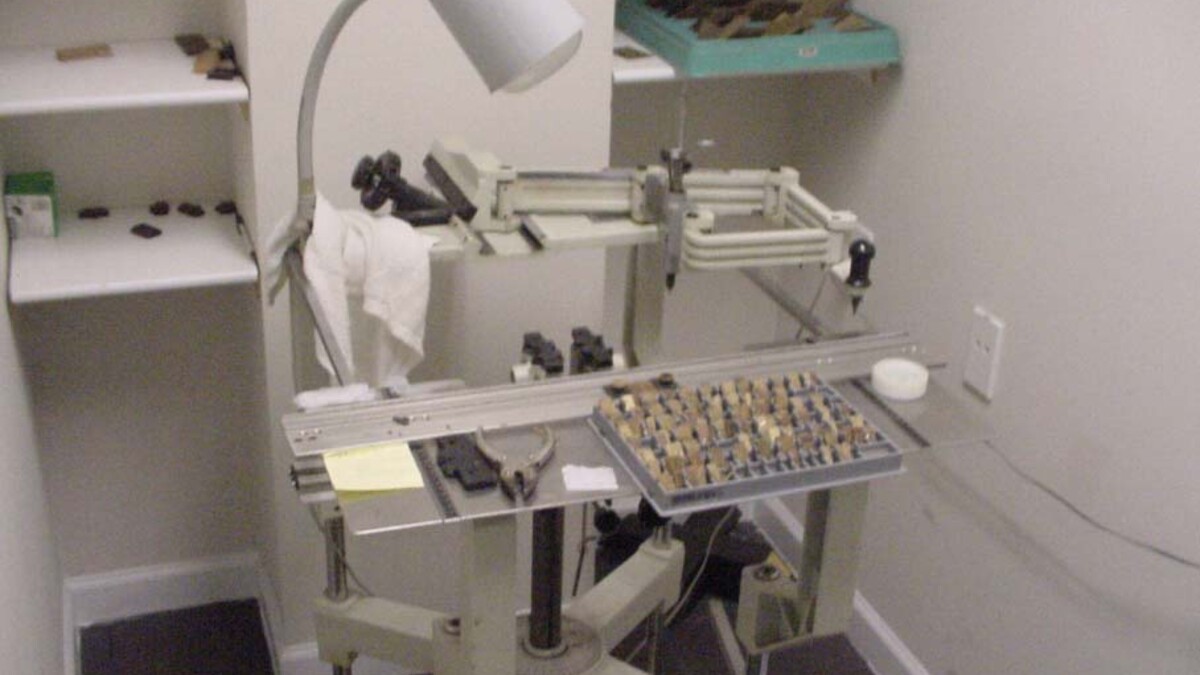
Engraving cuts your logo directly into the surface of the award. It is permanent, classic, and adds a substantial, lasting feel. Laser engraving is precise enough to capture fine detail on metal, acrylic, and wood. It works best for single-color logos or text because it produces a tonal effect, not a colorful one.
Best for: trophy plates, medals, side panels of championship rings, and metal plaques.
Color Enamel Fill
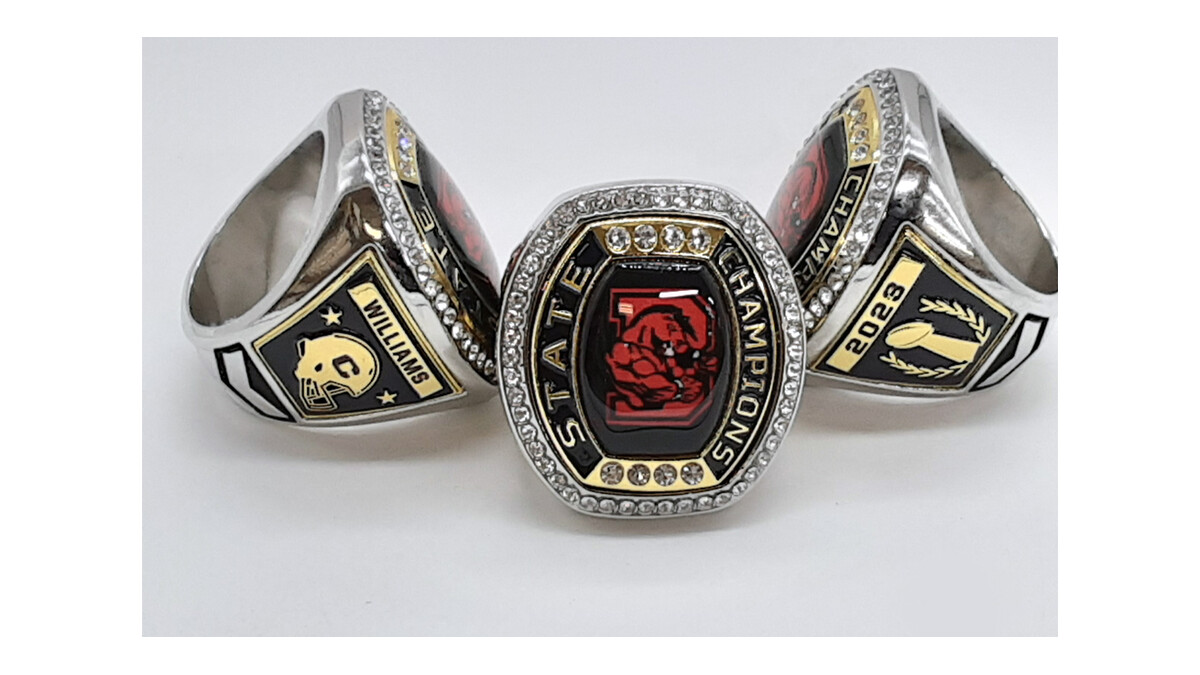
When a logo needs bold color on a metal award, enamel fill is the top choice. The process cuts recessed areas into the metal based on your design, then fills them by hand with durable colored enamel. The result is a jewel-like finish with sharp, distinct colors.
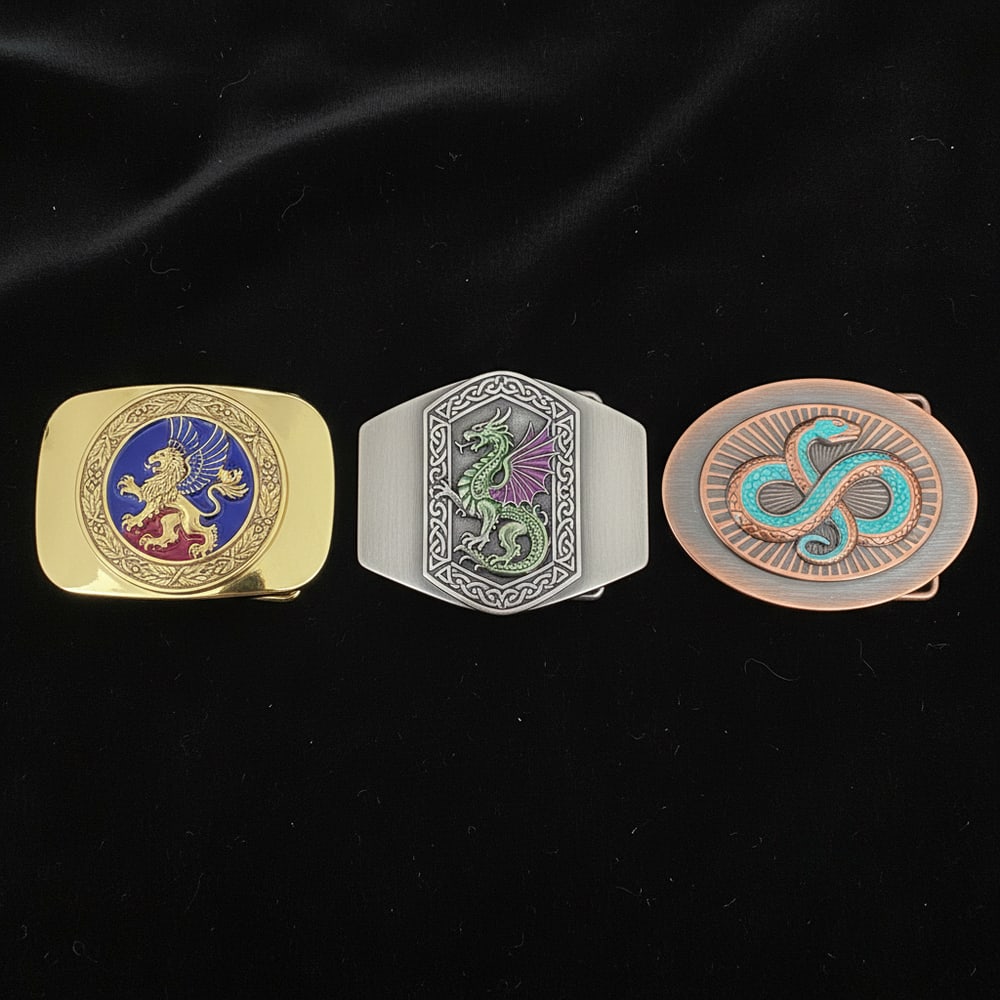
Best for: custom championship rings, finely detailed medals, lapel pins, and belt medallions.
3D Casting and Molding
This method does more than add a logo. It makes the logo a dimensional part of the award. Your design becomes a custom mold, and the whole piece, whether a ring, coin, or championship belt plate, is cast from it. That gives you raised and recessed metal features and a logo you can feel.
Best for: the main crest of a championship ring, custom-shaped medals, and championship belt center plates.
Sublimation & Digital Printing
When your logo is highly detailed, uses gradients, or is a full-color photograph, sublimation or digital printing is the answer. The process infuses ink directly into a coated surface and produces a permanent, high-resolution, full-color image. It reproduces every color and shade of your original design.
Best for: metal plates for plaques and trophies, acrylic awards, and custom inserts for medals.
Common Challenges and How to Solve Them
Spotting the usual problems ahead of time saves you time and gets you a better award. Here are the hurdles people hit when adding a logo to a custom award, and how to clear them.
- The challenge: my logo is too detailed for a small item. An intricate crest can look great on screen and lose its definition once it shrinks onto the side of a ring.
The solution: work with the award designer to simplify it. That usually means focusing on the most recognizable element or dropping fine text. A good designer keeps the spirit of your logo while adapting it to the medium. - The challenge: I only have a low-resolution JPG. A file copied off a website is one of the most common causes of production delays.
The solution: reach out to whoever manages your branding, usually a marketing team, a communications group, or the original designer. They can hand you the vector file. - The challenge: the colors on the proof look off. Screen colors (RGB) can read differently from physical product colors.
The solution: send Pantone (PMS) codes with your logo. The PMS system is the industry standard for color matching and tells us the exact shade of ink or enamel to use, no guesswork. - The challenge: a colorful, complex logo will blow the budget. Teams often assume a multi-color crest with fine detail costs far more than a simple mark.
The solution: design complexity is only one cost driver, alongside material, stone count, side-panel detail, and quantity. Our factory-direct pricing carries no middle-man markup, and you see the full number in a transparent quote tied to your 3D proof before you commit. - The challenge: we do not have a usable logo yet. Newer teams, booster clubs, and corporate programs sometimes have no logo or only an outdated, low-resolution version.
The solution: our designers can build a clean, award-ready logo or refine your existing one, then show it to you in the 3D proof before production starts. - The challenge: the event is close and the deadline is real. A banquet, senior night, or awards ceremony has a fixed date, and the award has to be in hand.
The solution: our standard turnaround is 3 to 6 weeks from proof approval, built to hit banquet and ceremony deadlines. Lock the logo file and approve the proof early to protect the timeline.
How to Choose the Right Logo Method for Your Award
The right method comes down to three things: the award material, your logo’s complexity, and the look you want. Use this framework to decide.
Start with material and permanence. For a solid metal award like a championship ring or medal that should feel permanent and substantial, 3D casting or engraving wins. Casting builds the logo into the structure of the award. Engraving delivers timeless, clean lines.
Next, look at color. If your brand lives in specific, bold colors, color enamel fill is the better call for rings, pins, and medals. It gives you vibrant, durable color that stands out. For full-color, photorealistic, or gradient-heavy logos on flat surfaces like plaques, sublimation printing is the only method that reproduces the design exactly.
Finally, weigh the occasion. A state championship ring earns the craftsmanship of 3D casting and enamel fill. A corporate sales plaque is often better served by sublimation that shows the company logo in full color. Match the method to the material, the logo, and the moment, and the award lands with maximum impact.
Ready to see your logo on a championship-quality award? Our USA-based team gives you a free 3D proof before you commit a dollar, with a 3 to 6 week turnaround built for your banquet or ceremony. Request a free quote and start your design today.
Frequently Asked Questions (FAQs)
What is the best file format for a logo?
A vector file is best. These carry extensions like .AI, .EPS, or .SVG. Vector files let our designers scale your logo to any size without losing quality, which gives you a crisp result on the final award.
How long does it take to get a custom award with a logo?
Most custom awards ship in 3 to 6 weeks from the moment you approve your 3D proof. Lock your logo file and sign off on the proof early, and we build the timeline around your banquet, senior night, or awards ceremony.
Can you create or fix a logo for me?
Yes. If you have no logo or only an outdated, low-resolution version, our designers can build a clean, award-ready mark or refine your current one. You review every version in your free 3D proof before anything goes into production.
How much does it cost to add a logo to a custom award?
The cost of your logo is built into the price of the award. There are no separate logo fees. Your design complexity and the manufacturing method drive the final price, which we spell out in a transparent, factory-direct quote.
How do you make sure our team colors come out right?
Send us your Pantone (PMS) codes and we match the enamel or print to those exact shades. If you do not have the codes, our team identifies the closest match and shows it to you in the 3D proof, so you confirm the color before production.