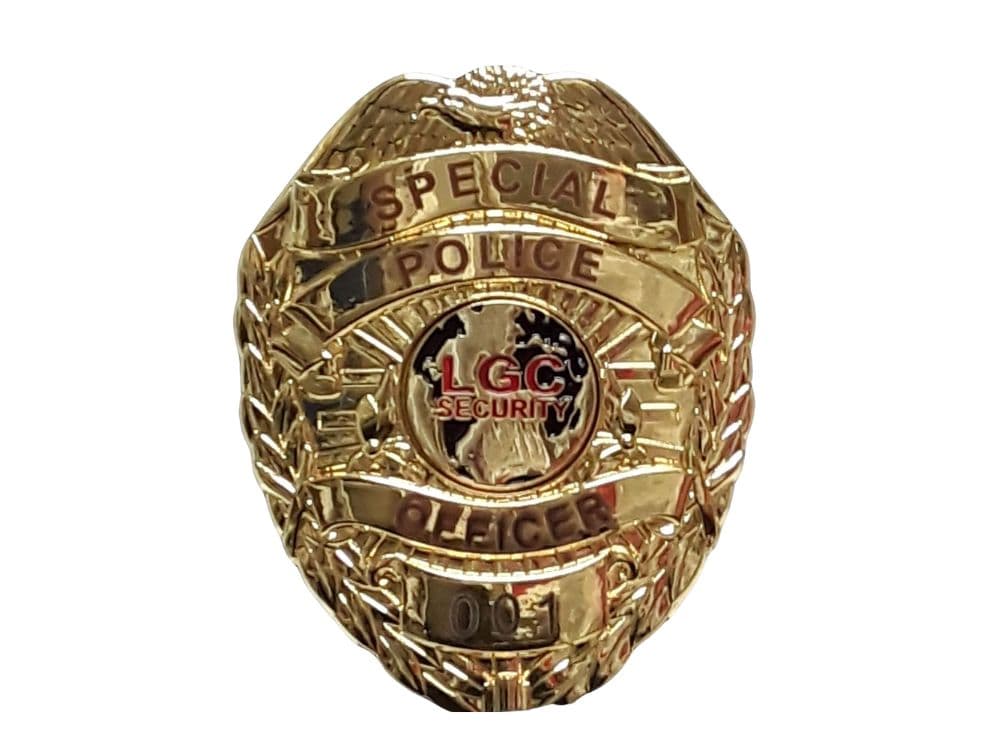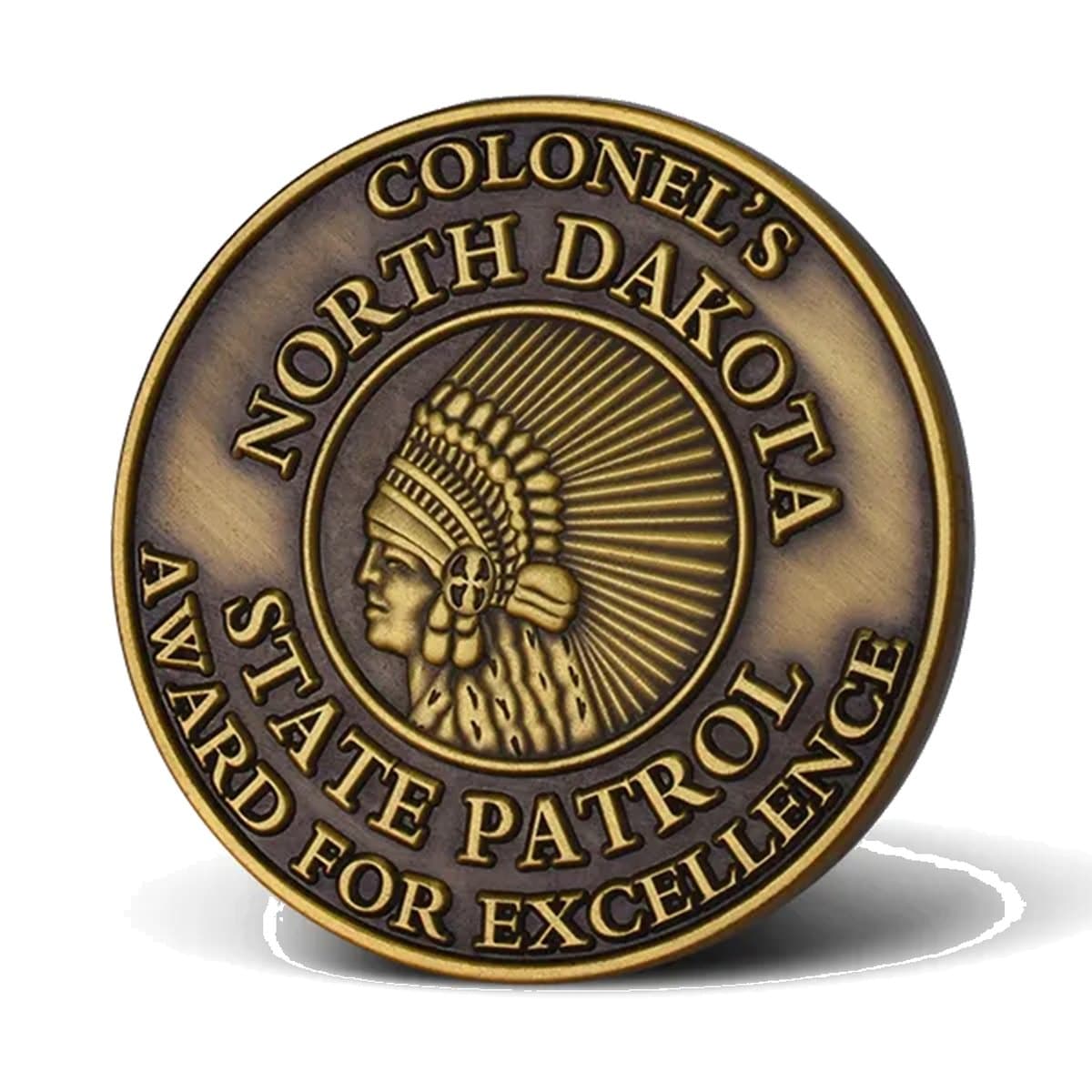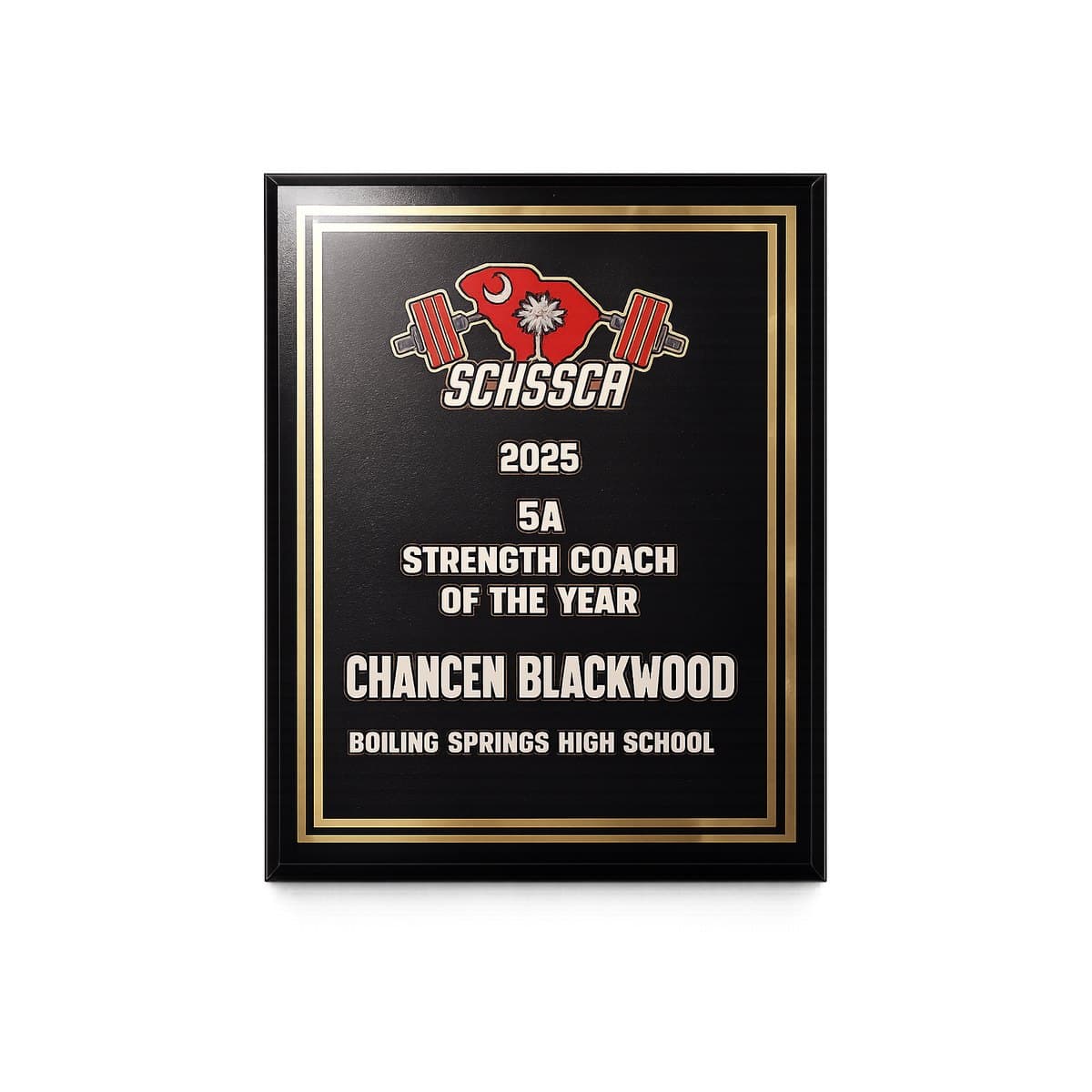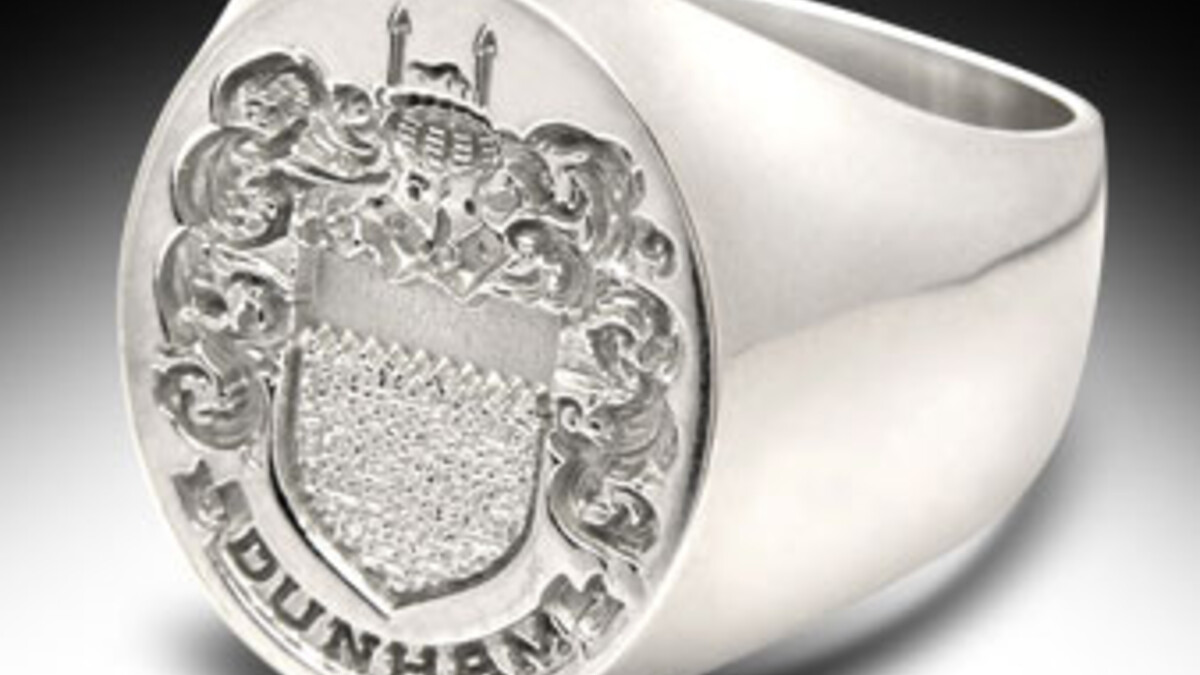
The engraving is what turns a championship award from an object into a record of achievement. But choosing the right approach gets complicated fast, with different technologies, materials, and design options to weigh. A weak engraving job undercuts the award. A sharp one makes it last a lifetime. Personalization is now the expectation, not a perk. According to McKinsey & Company, 71 percent of consumers expect personalized interactions from the companies they buy from.
Recognition matters to teams, schools, and businesses. When people feel seen, they commit harder to the organization. Yet most recognition falls short. Gallup found that only about one in three employees received recognition for good work in the past week. Custom engraving closes that gap with specific, permanent praise that outlasts the ceremony.
| Provider | Primary Engraving Tech | Specialty | Best For |
|---|---|---|---|
| Colucci Custom Awards | 3D deep relief & fiber laser | Championship rings & title belts | Teams wanting maximum detail and USA-made quality |
| Jostens | Laser & traditional | Class rings & scholastic awards | Large institutional school and university orders |
| Herff Jones | Laser engraving | Scholastic & corporate | Graduation and large-scale corporate recognition |
| Baron Championship Rings | 3D & laser engraving | Championship rings | Professional and collegiate championship programs |
| TrophySmack | Laser engraving | Fantasy sports trophies | Fantasy leagues and novelty awards |
Why Engraving Matters: Beyond the Name
The shape and material give an award its form. The engraving gives it meaning. It records who won, what they won, and when.
A well-engraved award does three jobs at once. It personalizes the achievement, reinforces team or brand identity, and creates a permanent record of the win. For a high school football team, an engraved championship ring stands for every practice and every play. For a company, an engraved service award tells an employee their dedication counted. That permanence turns a standard award into something people keep for decades.
Understanding Engraving Technologies: From Classic to Contemporary
The engraving technology you choose shapes the final look, feel, and detail of the award. Each method has strengths tied to specific materials and design goals. Knowing the options is where great awards start.
Diamond Drag Engraving
Diamond drag is the traditional, elegant method. A diamond-tipped tool drags across the surface and cuts a fine line into the metal, which produces a classic, hand-carved look. It works best on softer metals like brass, aluminum, and silver, which is why you see brilliant-cut diamond engraving on traditional trophy plates and medals. The cut is bright and reflective, and it contrasts cleanly against the base metal.
Laser Engraving (Fiber & CO2)
Laser engraving is the modern standard for precision and versatility. A high-powered beam either vaporizes the surface or changes its properties to leave a high-contrast mark. Two types cover most jobs:
- Fiber lasers handle metal. They cut clean, crisp, permanent marks into stainless steel, titanium, gold, and silver, which makes them the standard for championship rings, coins, and metal awards.
- CO2 lasers handle non-metals like wood, acrylic, glass, and leather. They deliver sharp results on wooden plaques, acrylic trophies, and personalized gifts.
Laser engraving handles intricate work: detailed logos, fine text, and even photo-realistic laser engraving from a source image.
3D Engraving & Deep Relief
For maximum impact, tactile 3D engraving and deep relief create a multi-dimensional effect you can see and feel. Instead of marking the surface, the process removes significant material to form raised and recessed areas. This is the core technique behind custom championship ring engraving and the deep etched awards on title belts. Find it on high-end championship rings and title belts, where it carries complex team logos, stadium scenes, and detailed textures, and adds real weight and depth.
Sandblasting & Etching
Sandblasting, or abrasive etching, is the go-to for crystal and glass. A high-velocity stream of abrasive particles creates a frosted, matte finish. A stencil masks the surface so you can etch precise designs and text. The cut is deep and uniform, and it diffuses light in a way no other method matches on crystal, which delivers a richer frosted depth than a surface laser mark.
Key Materials for Custom Award Engraving
The material sets the engraving method and the final look. A strong design on the wrong material disappoints every time.
Metals: Stainless Steel, Brass, and Durable Alloys
Metals anchor most prestigious awards: championship rings, medals, and perpetual trophies. Stainless steel and durable alloys take fiber laser and 3D deep relief well, holding sharp detail for the long haul. Softer metals like brass suit diamond drag engraving.
Crystal & Glass
Crystal and glass are top picks for corporate recognition and elegant trophies. Sandblasting brings out their clarity and brilliance with a rich, frosted texture. CO2 lasers can mark glass too, but sandblasting cuts deeper and reads as more refined.
Wood & Acrylic
Wood plaques and acrylic awards offer a warm, modern look, and both take CO2 laser engraving cleanly. On wood, the laser burns away the surface to reveal a darker, natural engraving. On acrylic, it leaves a crisp white frosted mark that pops against clear or colored stock.
The Custom Engraving Process Step-by-Step
A custom engraved award comes together through a few clear stages between you and the manufacturer. A professional workflow keeps your vision intact from concept to delivery.
- Conceptualization and design: Start with the idea. What is the award for, and who receives it? Lock down the details: names, dates, team logos, event titles, and any mottos or symbols.
- Artwork and proofing: Submit your design ideas and artwork, including logos. A good manufacturer returns a detailed digital proof, often a 3D rendering for rings. Check every detail: spelling, dates, logo placement, and layout. Review the proof carefully before you approve it.
- Material and method selection: Your design, budget, and target look determine the right material and engraving technology. Your manufacturer confirms the best fit.
- Engraving execution: After you approve the proof, technicians program the machines with your exact design and engrave the material.
- Finishing and quality control: The award gets cleaned, polished, and inspected. A final check confirms the engraving is clean and accurate before packaging and shipping.
The Mistakes That Ruin Custom Award Engravings
A few common mistakes can ruin an otherwise perfect award. Spot them early and you save time, money, and frustration.
- Poor artwork quality: A low-resolution JPEG produces a blurry engraving. Provide the highest-resolution artwork you have, ideally a vector file like .AI, .EPS, or .SVG.
- Typographical errors: A misspelled name or wrong date is the most common and most painful mistake. Check every line of text on your proof twice, and have a second person review it.
- Mismatched technology and material: Diamond drag on hardened steel or fiber laser on a wooden plaque produces poor results. Lean on your manufacturer to match the process to the product.
- Budget and cost: Engraving cost climbs with deeper relief, harder metals, more stones, and detailed logos. Set the budget early, name your must-have details, and let the manufacturer steer the material and method to fit it instead of guessing.
- Design complexity: Hairline strokes, tiny fonts, and tight negative space can blur or fill in once cut. Keep line weights bold enough to read, give text room to breathe, and confirm small logos survive at the finished size.
- Durability and wear: A shallow surface mark on a daily-worn ring or belt can rub smooth over time. For pieces that get handled, choose deep relief or fiber laser on a hard metal so the detail lives below the surface.
- Unrealistic timelines: Quality engraving needs time for design, proofing, and production. Be skeptical of promises that sound too good. A reliable manufacturer gives you a clear window, like a 3 to 6 week turnaround, so your awards arrive before the ceremony.
Which Engraving Method Works for Your Award Material
Three factors decide the right engraving: your material, your design complexity, and the look you want. Start with the award. A metal championship ring built to make a statement calls for 3D deep relief and fiber laser engraving and that tactile, high-impact finish. An elegant crystal obelisk for an executive calls for sandblasting and its refined frosted etch.
Next, look at your design. Highly detailed logos, fine text, or a lot of information point to laser engraving for maximum precision. A classic brilliant-cut look on a traditional trophy plate points to diamond drag. Finally, weigh the message. A deep-milled 3D engraving signals the weight of the achievement. A clean sandblasted crystal signals prestige and honor. One more call matters: choose a true USA-based manufacturer over an overseas reseller, because the quality control, direct communication, and proof revisions are where engraving projects succeed or fall apart.
Ready to build an award your team will keep for decades? Browse our gallery of USA-made custom awards and see how championship-level engraving brings out every detail.
Frequently Asked Questions (FAQs)
How long does custom award engraving take?
It depends on the design complexity, the engraving method, and the manufacturer’s schedule. A full process with proofs and production usually runs 3 to 6 weeks. Confirm the timeline with your provider so your awards arrive before your event.
What factors influence the cost of custom award engraving?
Four factors drive the price: the engraving technology, the material, the design complexity, and the order quantity. A deep-relief 3D engraving on solid metal costs more than a simple laser mark on acrylic, and detailed logos or fine text add time at the bench. The clearest way to get an accurate number is to design what you want and see it rendered with a free 3D proof before you commit.
Which engraving method is most durable for a championship ring or belt?
For pieces handled daily, like championship rings and title belts, deep relief and fiber laser engraving on durable metals hold up best. Deep-milled engraving carries its detail below the surface, so normal wear does not erase it the way a shallow surface mark can. Stainless steel, titanium, and solid gold resist scratching and keep the engraving sharp for decades.